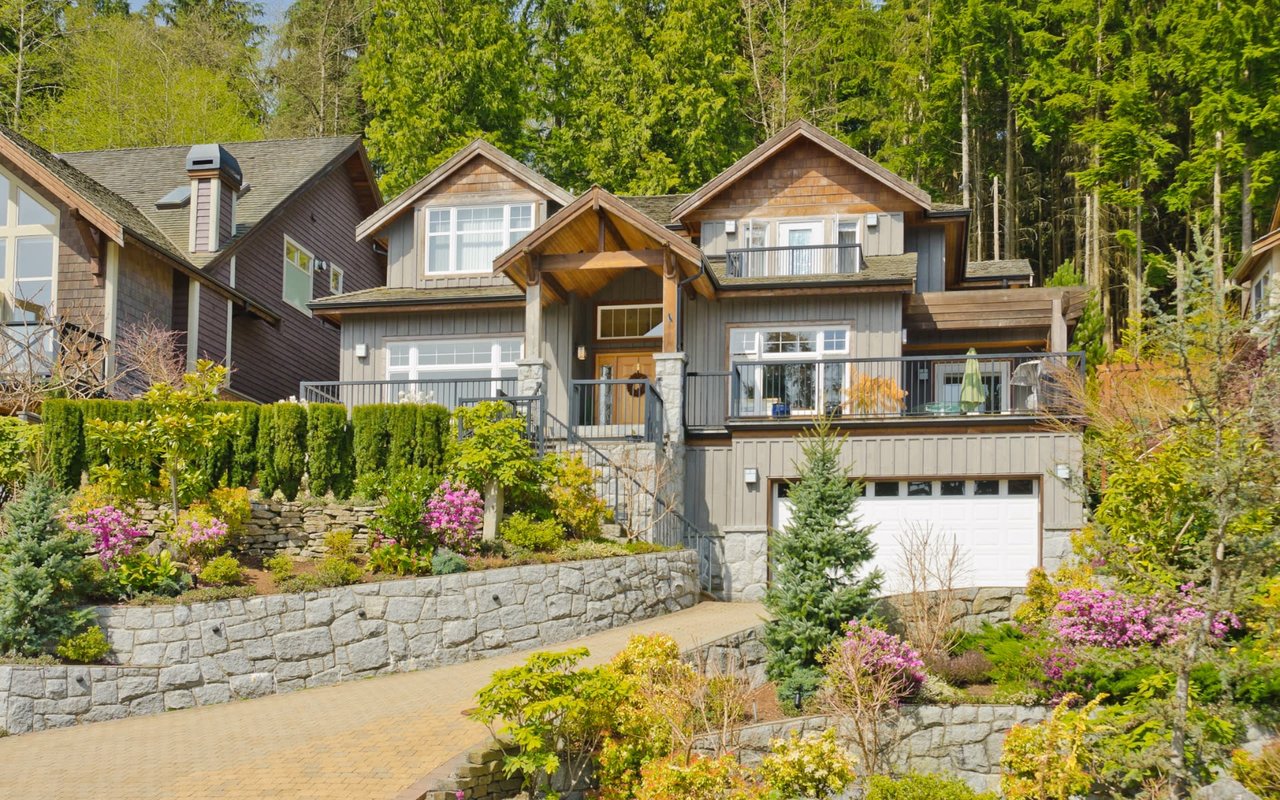
Telluride vs Mountain Village Real Estate Price Gap
Every buyer who compares Telluride to Mountain Village eventually runs into the same number: homes in town average around $2,115 a square foot, homes on the mesa average around $1,510. Most explanations stop at charm. Victorian storefronts, walkable Main Street, ski-in access on the mesa instead. All true, none of it sufficient. The gap is really the market pricing two different ownership systems, one built around a rental cap and a license fee, the other around a transfer assessment. Neither shows up on a listing sheet. Both show up at closing.
That is the thesis worth sitting with before you write an offer in either town.
Town of Telluride residences have continued to average roughly $2,115 per square foot through 2026, against roughly $1,510 in Mountain Village. Condos follow the same pattern, running higher in town than on the mesa. Most write-ups treat this as a location premium and move on. It is worth asking what that premium is actually buying, because the two towns are not competing on the same terms. They are separate incorporated municipalities with separate codes, separate tax platforms, and separate rules for what an owner is allowed to do with the property once the deed is recorded.
Inside the Town of Telluride, a property in a residential zone district is capped at three short-term rental stays a year, with a combined limit of 29 nights. That is the baseline under the town's Land Use Code, and it applies whether you rent it once for two weeks or split it into three shorter stays. If you want to run a property as an unlimited short-term rental outside a residential zone, you need a Classic License, and AvantStay lists its annual regulatory fee at $857 per bedroom. A four-bedroom home runs $3,428 a year in licensing costs before the first guest checks in.
That fee structure is not incidental. It is the town's mechanism for controlling how much of its housing stock converts to nightly rental use, and it means the economics of owning in town depend heavily on which zone a specific parcel sits in and which license category it qualifies for. A buyer comparing two similarly priced homes in Telluride needs to know which one is capped at 29 nights and which one can run year round for an annual fee, because that distinction changes the property's income potential more than square footage does.
A four-bedroom home in the wrong zone can be capped at 29 rental nights a year, no matter what the listing photos promise.
Mountain Village runs on a different mechanism entirely. What Mountain Village adds instead is a charge at the closing table itself. The Telluride Mountain Village Owners Association assesses a Real Estate Transfer Assessment, RETA, at 3 percent of eligible transactions. It is TMVOA's largest revenue source, and the money funds operations and maintenance for the free gondola connecting Mountain Village to town, a cost the town has put at roughly $3.5 million a year. When you buy or sell in Mountain Village, you or your title company file a RETA Information Sheet with the deed and wire the assessment to TMVOA. Certain transfers, including deed-restricted properties, are exempt, but a market-rate purchase generally is not.
Layer on top of that a detail many buyers miss entirely: some Mountain Village tax bills still carry a line item from the Mountain Village Metropolitan District, a legacy entity that still exists on paper to service old infrastructure bond debt from the town's early development years. It shows up as part of the annual mill levy, not as a one-time closing cost, but it is another example of a charge that has nothing to do with the property itself and everything to do with which municipal history it was built under.
So the two towns are not simply charging different prices for similar homes. They are asking owners to accept different constraints in exchange for that price. Telluride has a hard cap on rental nights in residential zones. Mountain Village has a 3 percent bite at closing and a mill levy line most buyers don't expect.
| Town of Telluride | Mountain Village | |
|---|---|---|
| Rental cap in residential zones | 3 stays, 29 nights per year | |
| Where transfer/rental fees go | Town regulatory oversight | Gondola operations, roughly $3.5M annually |
| Legacy tax line | Not applicable | Mountain Village Metro District mill levy on some parcels |
| Typical price per square foot, 2026 | Around $2,115 | Around $1,510 |
There is a second force working on that price gap right now, and it is concentrated entirely in Mountain Village. The Four Seasons Resort and Residences broke ground in October 2025 on a 4.5-acre parcel next to the gondola and Lifts 1 and 4, the last snow-front site in town. The project totals roughly $1 billion and will include 52 hotel rooms, 43 hotel residences, and 26 private residences once complete. A few hundred yards away, the Highline Residences are delivering 16 units in three- to five-bedroom configurations, slopeside to the Meadows ski run, with reported average sale prices in the neighborhood of $8 million each.
Both projects are pulling a disproportionate share of current buyer interest. An early 2026 market snapshot put roughly 40 Mountain Village condominiums under contract, with the large majority tied specifically to Four Seasons and Highline rather than the resale market. That matters for anyone using Mountain Village comps to judge a resale listing, because a wave of new-construction contracts at premium price points can pull the average up even while older resale inventory sits closer to historical pricing. If you are comparing a resale condo's price per square foot to a headline average, ask whether that average is being carried by new branded inventory a few hundred yards from your listing, not by properties like it.
Three questions are worth asking before either town, and they matter more than the headline price.
First, if income potential matters to your decision, confirm the zone and license category before you assume a Telluride property can operate as an unrestricted rental. A residential-zone home capped at 29 nights is a fundamentally different asset than a Classic License property, even at the same price.
Second, if you are buying in Mountain Village, ask your contract to state explicitly who is paying the 3 percent RETA Confirm whether the specific parcel carries a Metro District mill levy line, since that affects your ongoing tax bill in a way the listing price won't show.
Third, if you are comparing a resale property in Mountain Village to a recent average, ask how much of that average reflects Four Seasons or Highline contracts rather than properties that actually compete with the one you're considering.
None of this shows up in a search result that just reports the median. It shows up in the zoning map, the association declarations, and the closing statement.
Does the RETA apply to every Mountain Village sale? It applies to eligible real estate transactions as governed by TMVOA's declarations. Certain transfers, including deed-restricted properties, can qualify for exemption, and buyers involved in trust, LLC, or other entity transfers should confirm treatment before closing rather than assuming it applies or doesn't.
Can a Telluride property switch from a residential-zone license to a Classic License later? Whether a property can carry a Classic License depends on its zoning designation, not just an owner's preference, since the Classic License applies to properties outside residential zone districts. That is a zoning question to confirm before purchase, not something to resolve after closing.
Will the Four Seasons and Highline deliveries bring Mountain Village pricing down once they're finished? That depends on how much of the current under-contract activity represents genuinely new demand versus buyers who would have purchased resale inventory anyway. It is worth watching as both projects near completion rather than assuming either direction.
Comparing Telluride to Mountain Village on price per square foot alone tells you which town costs more today. It doesn't tell you which ownership structure fits how you actually plan to use the property, which is the harder and more useful question. That's the kind of comparison Eric Roark walks clients through before an offer goes in, not after. Let's Coach You Home. Schedule a relocation strategy session and we'll map the zoning, the license category, and the closing costs specific to the property you're actually considering.
This article is general information, not legal, tax or financial advice. Consult a qualified professional about your situation.
October 22, 2026
October 15, 2026
October 8, 2026
October 1, 2026
September 24, 2026
September 17, 2026
September 10, 2026
September 3, 2026
September 3, 2026
With Eric strategic partnerships, he can provide service with Commercial, Ranch, Residential or Resort. Let him know how he can provide service to you. Durango is truly the end of the Rainbow.