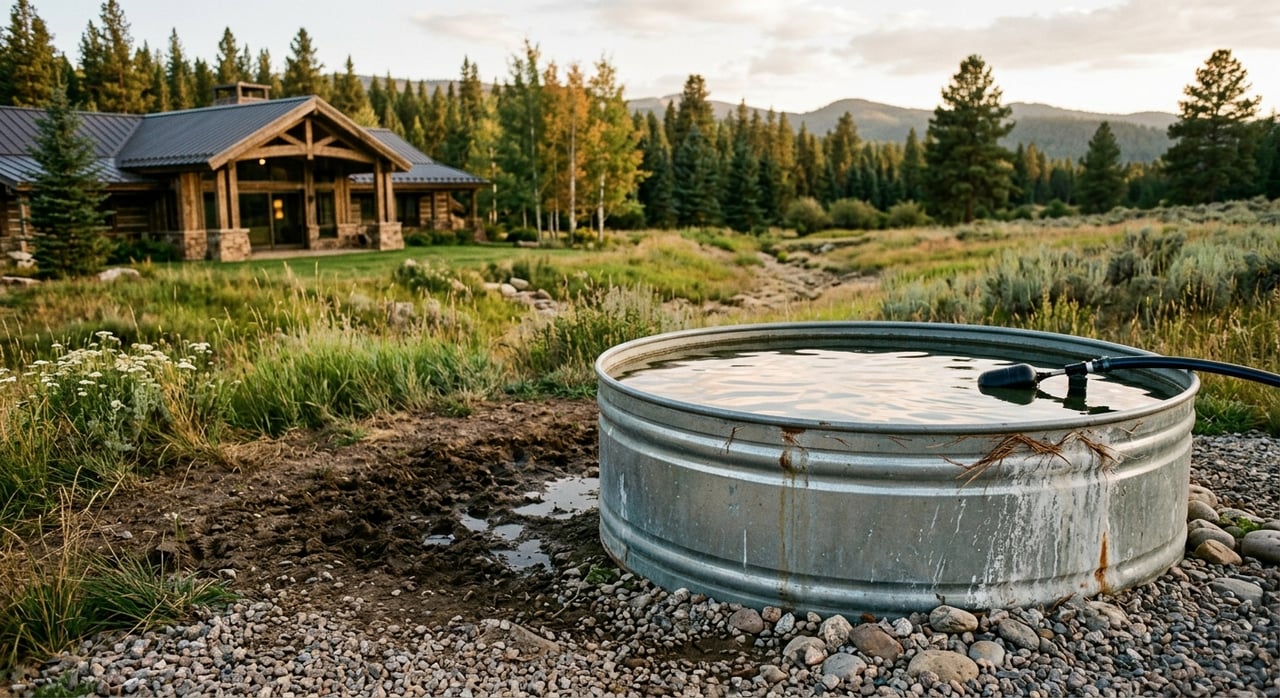
Buying a Ranch in Hesperus: A Detailed Checklist
Buying a ranch in Hesperus can feel exciting fast. Big views, open ground, and public-land access nearby can make a property look like the perfect fit at first glance. But a smart ranch purchase is not about the photos alone. It is about proving that the land, water, access, grazing, and tax status all work the way you expect before you close. If you want to evaluate a Hesperus ranch with more confidence and less guesswork, this guide will walk you through the key checkpoints. Let’s dive in.
In Hesperus, the first question is simple: how much of the ranch is truly usable? According to La Plata County’s GIS data sources, you can review layers for parcels, roads, public lands, contours, floodplain, geohazards, irrigation ditches, wells, soils, and even snowload and road information before you rely too heavily on listing photos or drone footage. That makes the county mapping system one of the best starting points for early diligence.
The local Hesperus soil series identified by USDA occurs across drainageways, alluvial fans, benches, terraces, mountain slopes, and hillslopes, with slopes ranging from 0 to 65 percent. It is used principally for grazing land. In practical terms, that means topography and soils can directly affect where you place roads, barns, homesites, fencing, or working improvements.
A ranch may have impressive deeded acreage and still offer far less functional acreage than you expect. Steep ground, wet areas, drainage issues, and difficult access can reduce what is productive or buildable. That is why a map review should always be paired with a site visit focused on grades, erosion, drainage, and winter conditions.
Before you get too far into negotiations, use La Plata County’s GIS tools to compare the listing story with what public data shows. The county notes that its GIS stack includes parcel boundaries, roads, public lands, irrigation ditches, wells, floodplain, geohazards, and snow-related layers, which can help you flag issues early. You can see that data source summary in the county’s GIS data reference document.
This matters because mountain ranches often look simpler online than they are on the ground. A driveway that seems manageable in photos may involve difficult grades. A meadow may sit near drainage or flood-related constraints. A homesite with great views may carry snowload or access concerns that deserve a closer look.
Water is one of the most important parts of ranch due diligence in Colorado. The state follows prior appropriation, or "first in time, first in right," and the Colorado Division of Water Resources explains that a water right is a property interest separate from land. In other words, owning the ranch does not automatically mean you are getting every water asset you think you are.
The state’s water rights overview makes clear that title review should identify exactly what the property conveys. If a ranch is marketed with ditch rights, irrigation rights, stock water, or other water assets, each one needs to be confirmed. A buyer should treat those rights as assets that must be proven, not assumed.
If the property depends on wells, the next step is to review the state’s well permitting records and tools. Those records can help you understand allowable uses and related construction or pump information. Depending on the area and intended use, additional approvals may be required, so this is one of the clearest reasons to bring in a qualified water attorney during diligence.
Not every older water right or ditch interest has current value. The Colorado Division of Water Resources says that if a water right is not applied to beneficial use for 10 or more years, there is a rebuttable presumption of abandonment. That means older decrees, unused ditch shares, and long-dormant stock-water claims deserve their own review.
This is especially important if a listing references historic water use. You want to know whether that use is active, transferable, and supported by records. If not, the ranch may not operate the way the marketing suggests.
One of the most common mistakes in ranch buying is assuming more acres always means more carrying capacity. Colorado State University Extension explains that dryland pastures in most Colorado counties typically produce about 300 to 2,000 pounds of usable dry matter per acre, while irrigated pastures can produce about 2,000 to 6,000 pounds per acre. You can review those benchmarks in CSU Extension’s forage guide.
That range is wide for a reason. Production depends on conditions, water, management, and the land itself. So if you are trying to estimate how many animals the property can support, acreage alone is not enough.
A better approach is to build your estimate from forage, water distribution, and actual range condition. The USDA Natural Resources Conservation Service outlines how range and pasture evaluation should involve inventory and monitoring, and it offers technical support for grazing-related practices such as prescribed grazing, brush management, fencing, and range planting. That makes an on-the-ground assessment far more valuable than a simple claim in a brochure.
If a ranch includes federal grazing privileges, do not assume they transfer like ordinary private acreage. The Bureau of Land Management explains that a buyer must own or control recognized base property, or acquire qualifying property and apply to transfer grazing preference. Agency approval still matters.
That is a key distinction for any Hesperus-area ranch tied to public-land use. If a property is marketed as if the allotment simply comes with the ranch, slow down and verify exactly what the process requires. Grazing privileges tied to federal agencies involve their own rules, timing, and approvals.
A ranch that performs well in a strong year may still struggle under dry conditions. Colorado State University Extension maintains drought planning resources that emphasize formal planning, decision points, and destocking flexibility. For a buyer, that means resilience should be part of the purchase decision.
Ask practical questions. How quickly can the operation reduce pressure on forage? Is water distribution reliable? Are there backup plans if pasture production drops? In a recurring drought environment, adaptability is part of the ranch’s real value.
Public-land adjacency can be a major value driver around Hesperus, but adjacency and legal access are not the same thing. The Columbine Ranger District of the San Juan National Forest manages 691,310 acres in La Plata and San Juan counties and includes a wide range of recreation opportunities. That can add real appeal to a ranch purchase, but you still need to confirm how access works.
If a property is marketed as bordering public land, ask whether access is deeded, permitted, or simply nearby. You want to know whether you can lawfully reach and use that land without depending on a neighbor’s informal permission. This is where title work and map review need to line up.
La Plata County’s GIS layers can help with that analysis because they include public lands, roads, parcel boundaries, ditches, wells, floodplain, and road maintenance or snow-removal information. A map audit, paired with a title search, can reveal whether the access story is clean or more complicated than it first appears.
A ranch’s operating economics are not just about purchase price. Colorado’s agricultural classification rules can affect long-term holding costs, and the state explains that land used as a ranch for grazing livestock for profit can qualify. Assessors may request documentation such as an IRS 1040-F, grazing leases, or an agricultural questionnaire to verify use. You can read more in Colorado’s agricultural property classification guidance.
This matters because tax status should be part of your underwriting from the beginning. If the property is represented as agricultural, you want to know what supports that classification and whether the use is properly documented. Structures are valued separately from land, so improvements can affect the tax picture differently than acreage alone.
Conservation planning may also intersect with ownership goals. The same state guidance notes that some conservation-easement parcels may qualify if they meet statutory requirements. In Southwest Colorado, La Plata Open Space Conservancy reports protecting more than 25,000 acres through 178 easements on 21,000 acres, with a focus that includes agricultural properties and land that provides public access.
One of the simplest ways to catch problems early is to compare the legal description, assessor data, and listing materials side by side. La Plata County Assessor resources point buyers to Property Record Cards, COMPER, and the county GIS mapping site to review acreage, land use, and sales history. The county mentions these tools in its assessor brochure.
For a Hesperus ranch purchase, consistency matters. If acreage, land use, improvements, or boundaries look different across public records and marketing materials, that gap deserves attention before closing. Small mismatches can lead to bigger surprises later.
Ranch transactions usually require more than a standard residential review. Because the key issues often include water, land use, access, forage, and tax classification, your closing team may need to include a water attorney, title professional, surveyor, range consultant, and CPA along with your broker. That team approach can help turn a complex purchase into a more controlled process.
This is where coach-style representation matters. You want a broker who can help you stay disciplined, ask the right questions, and coordinate the right experts at the right time. On a Hesperus ranch, the goal is not just to get to the closing table. It is to make sure the ranch still works after the ink is dry.
If you are considering a ranch purchase in Hesperus or elsewhere in Southwest Colorado, working with a guide who respects both the lifestyle and the due diligence can make a major difference. Eric B Roark brings a process-driven, client-first approach designed to help you evaluate complex properties with clarity and confidence.
August 20, 2026
August 13, 2026
August 6, 2026
July 23, 2026
July 16, 2026
July 9, 2026
July 9, 2026

July 2, 2026
June 25, 2026
With Eric strategic partnerships, he can provide service with Commercial, Ranch, Residential or Resort. Let him know how he can provide service to you. Durango is truly the end of the Rainbow.