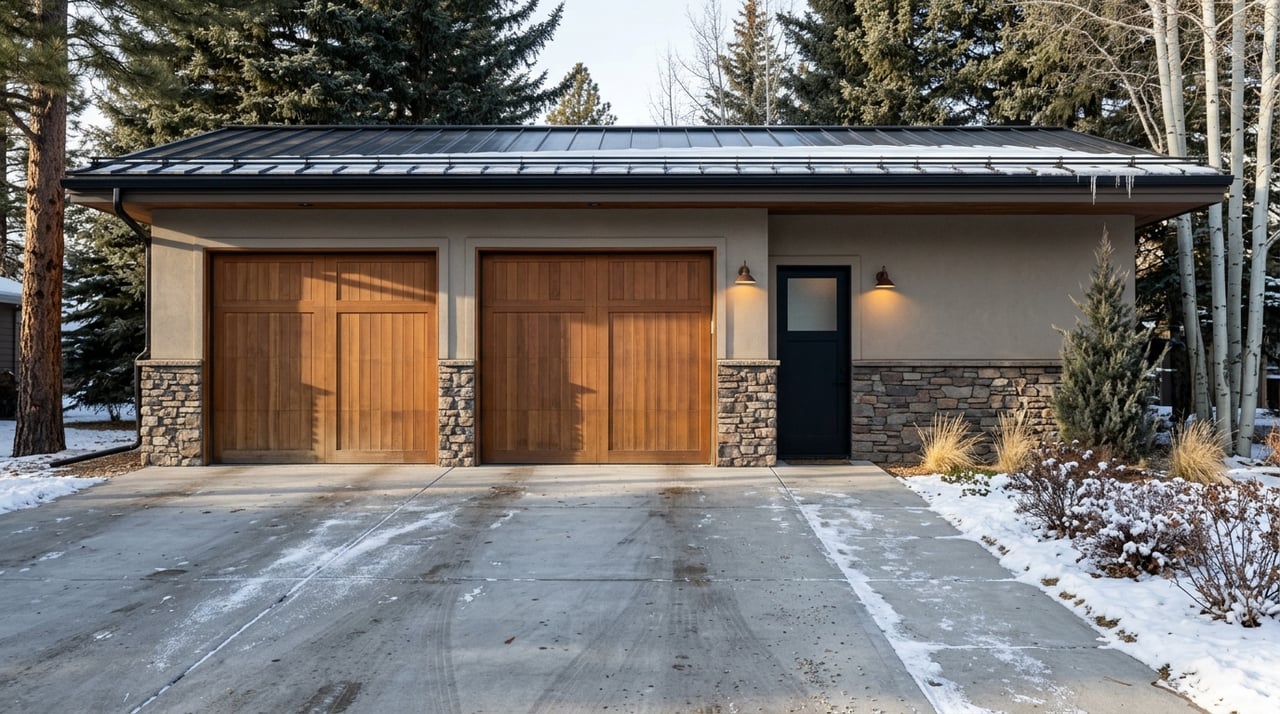
Where To Buy In Pagosa Springs For Year-Round Living
If you want to live in Pagosa Springs full time, the right area is not just about views or price. It is about how your day-to-day life will actually work in January, during spring runoff, and on a normal Tuesday when you need to get to school, the store, or a medical appointment. The good news is that Pagosa offers several strong options for year-round living, and each one fits a different lifestyle. Let’s break down where to start and what to verify before you buy.
When you buy in Pagosa Springs for full-time living, focus first on the things that affect your routine every week. That usually means road maintenance, winter access, utilities, drive times, and whether the property sits in an HOA or covenant-controlled community.
In this market, two homes with similar square footage can live very differently depending on who maintains the road, who provides water and sewer, and how easy it is to reach town services. That is why a coach-style buying process matters here. You want to look past the listing photos and understand how the property functions in all four seasons.
For many full-time buyers, in-town Pagosa Springs is the most straightforward place to begin. The Town of Pagosa Springs sits along US 160, with the San Juan River running through town and the Piedra River just west of downtown.
One of the biggest advantages of living in town is convenience. Town roads and utility lines are maintained by the Town Public Works department, and the town sanitation GID serves the town and surrounding properties east of Piedra Road. That can make everyday ownership feel simpler, especially if you want a more predictable setup.
If you expect to use local services often, in-town living can reduce friction. Archuleta School District’s main public schools are located in town, and Pagosa Springs Medical Center provides a local critical access hospital, rural health clinic, ambulance service, and a 24/7 emergency department.
That does not mean every buyer should choose downtown. It does mean that if your priority is easy access to daily essentials, in-town Pagosa often belongs near the top of your list.
In-town Pagosa may be a good fit if you want:
Pagosa Lakes is one of the most established places to look for year-round housing. PLPOA describes it as a mixed-use planned development with more than 6,600 properties across 27 subdivisions and 21 square miles, with single-family homes, condos, townhomes, apartments, commercial space, lakes, trails, and a recreation center.
For many buyers, this area offers a practical balance. You can often stay close to core services while still enjoying a neighborhood setting with amenities and a broader range of home types.
Pagosa Lakes is not one uniform neighborhood. Because it includes many subdivisions, ownership details can vary more than buyers expect. PLPOA is covenant-controlled, and the Colorado HOA Information & Resource Center notes that association dues, special assessments, insurance, and maintenance decisions can materially affect ownership costs and daily use.
PLPOA also notes that not all subdivisions are fully built out or have completed roads and utilities, and that road, snow-removal, and bridge responsibilities inside subdivisions are not uniformly under PLPOA control. In other words, the community name alone is not enough. The specific street, subdivision, and document package matter.
Pagosa Lakes may be a good fit if you want:
If you want something between in-town convenience and a more rural feel, the Piedra Road corridor is worth a close look. This area acts as a practical transition zone between town services and the broader rural market.
The service split here matters. The Town says the GID sewer system generally serves the town and surrounding properties east of Piedra Road, while PAWSD generally serves sewer west of Piedra Road. PAWSD also says the eastern and downtown area is typically served by the Snowball Water Treatment Plant, while the western portion, including Pagosa Lakes, is typically served by the Hatcher and San Juan plants.
For some buyers, this corridor offers a middle ground. You may be close enough to town for routine convenience while still getting a setting that feels less central than downtown or the core of Pagosa Lakes.
That said, this is an area where lot-by-lot due diligence becomes especially important. Utility setup should always be confirmed for the specific property rather than assumed from the mailing address.
If your dream is more land, more space, and more privacy near public land, Pagosa Springs has options that can be very appealing. Archuleta County notes that only 34% of county land is privately owned, with the rest in Forest Service and tribal areas, so developed areas quickly transition into more natural and remote settings.
For the right buyer, that can be a major draw. For year-round living, though, it also brings more responsibility.
The Forest Service warns that seasonal closures affect many roads and trails, that any road can be blocked by snow or downed trees at any time, and that counties do not rescue stranded vehicles. Current road status examples show that some roads remain open and are plowed in winter, while others may require high-clearance 4WD or ATV/UTV access under certain conditions.
Archuleta County Road & Bridge maintains county roads and provides snow removal, but it also notes that some rural roads are maintained only on a limited basis or summer only. So before buying in an outlying area, ask a simple but critical question: who owns the road, and who plows it?
Forest-edge properties may fit you if you are comfortable with:
The easiest way to narrow your options is to compare areas by function, not just style. A beautiful home is only part of the picture. You also want to know how it will support the way you live all year.
| Area | Main Strength | Main Watch-Out |
|---|---|---|
| In-town Pagosa Springs | Convenience and town-managed infrastructure | Fewer buyers will get a more rural setting |
| Pagosa Lakes / PLPOA | Broad housing options and amenities | HOA documents, fees, and subdivision-specific details matter |
| Piedra Road corridor | Middle ground between town and rural living | Utility and service boundaries vary by property |
| Forest-edge areas | Space and proximity to public-land settings | Winter access and road maintenance can be more variable |
Wherever you focus your search, ask questions that match year-round ownership. In Pagosa Springs, this step can save you from expensive surprises later.
Here are smart questions to ask for any property:
Based on the local service, utility, school, healthcare, road, and HOA information available, in-town Pagosa Springs and the core of Pagosa Lakes are usually the most straightforward starting points for year-round buyers. They tend to offer the clearest path to daily convenience and fewer seasonal unknowns.
The Piedra corridor can be a strong middle-ground option if you want some separation from the most central areas without moving too far into rural conditions. Outlying forest-edge areas can also work well, but they usually make the most sense for buyers who are prepared for more variable access and more hands-on ownership.
That does not mean one area is best for everyone. It means the right choice depends on how you want to live, what level of maintenance and access risk you are comfortable with, and how much structure you want in the ownership experience.
If you are planning a move to Pagosa Springs, the smartest next step is to match your lifestyle goals with the area that supports them in every season. When you are ready for a disciplined, local-first buying strategy, Eric B Roark can help you coach the process from broad search to property-level due diligence.

October 22, 2026
October 15, 2026
October 8, 2026
October 1, 2026
September 24, 2026
September 17, 2026

September 10, 2026
September 3, 2026
September 3, 2026
With Eric strategic partnerships, he can provide service with Commercial, Ranch, Residential or Resort. Let him know how he can provide service to you. Durango is truly the end of the Rainbow.