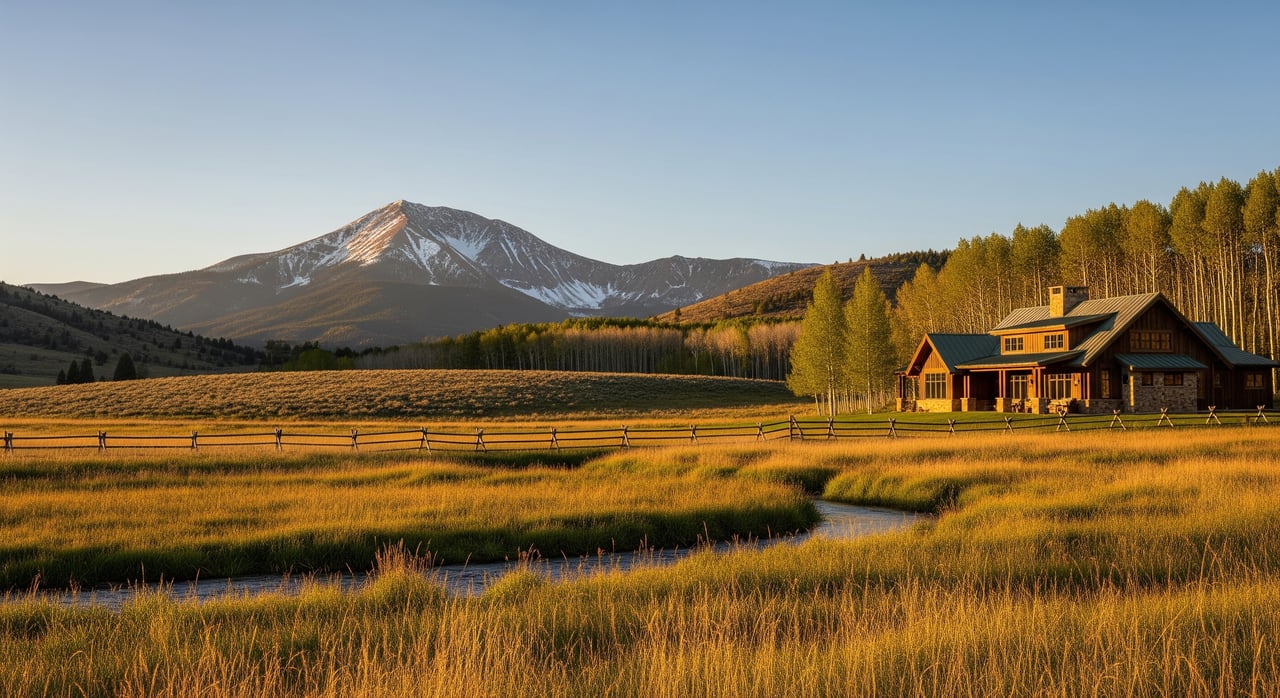
Plain-English Colorado Conservation Easement Basics for SW Colorado
Thinking about protecting a Hesperus ranch or rural parcel while keeping it in private ownership? You are not alone. Many La Plata County landowners want to conserve views, wildlife habitat, and working agriculture without giving up day-to-day use. In this guide, you will learn what a conservation easement is, how it works in Southwest Colorado, the money and tax basics, and the steps to get it done with confidence. Let’s dive in.
A conservation easement is a voluntary legal agreement that limits certain development to protect conservation values like open space, wildlife habitat, water, and scenic views. It is recorded in the land records and usually lasts forever. Future owners must follow the terms.
You keep ownership and can often continue ranching, grazing, and recreation. In exchange, you give up specified development rights such as subdivision or new residences beyond what the easement allows. For a helpful overview of how easements are structured, review the Land Trust Alliance overview.
In Southwest Colorado, common goals include protecting productive ranchland, wildlife corridors for mule deer and elk, riparian areas, and iconic sightlines to the La Plata and San Juan ranges. Easements are typically held by a land trust or government entity that monitors and enforces the terms over time.
Hesperus sits in a landscape of working ranches, mixed-use parcels, and forested drainages. That mix creates both opportunity and pressure. Easements help you:
Local easements often reserve specific rights that matter on ranches. You will see grazing provisions, limited building envelopes, riparian buffers, and language about roads, utilities, and mineral impacts.
An easement is documented in a recorded deed that defines the property, conservation values, permitted and prohibited uses, and the easement holder. A baseline documentation report with maps and photos captures the property’s condition at the time of signing.
The holder monitors the property, often annually. If issues arise, the holder uses the deed’s remedies to resolve them. Many easements require a one-time stewardship contribution to fund future monitoring and legal defense.
Mineral rights need special attention in Colorado. If minerals are severed or extraction is possible, the deed should address whether surface disturbance is allowed. Water rights are also separate in Colorado. The easement should clearly state how water use and water rights are treated within the conservation goals.
For best practices on drafting and long-term care, see the Land Trust Alliance Standards & Practices.
Every easement is negotiated, but here is a plain-English snapshot.
Often allowed, if consistent with conservation goals:
Commonly restricted or removed:
The value of an easement is typically the difference between your property’s value before the easement and after it. A qualified appraiser must calculate this “before-and-after” value when you plan to claim a federal deduction for a donated easement.
If your easement meets federal rules for a qualified conservation purpose and perpetuity, you may be able to claim a charitable deduction under Internal Revenue Code Section 170. The IRS explains the requirements in its guidance on conservation easements, and the reporting standards appear in the Form 8283 instructions. Your deduction limits and carryforward depend on your income and the IRS rules that apply to your situation.
Colorado has had state-level conservation incentives at times. Program details can change, so it is important to confirm current rules with a tax advisor or the Colorado Department of Revenue. Property taxes may decrease if the easement reduces market value, but results vary by county. Contact the La Plata County Assessor through the La Plata County official site before you finalize terms.
There are three basic ways to structure payment:
Expect costs for appraisals, legal work, baseline documentation, surveys, and a stewardship endowment for the holder. The exact amounts vary by property and complexity.
Easement-encumbered properties still sell. The title will show the easement, and buyers must accept those terms. Value is usually lower than a comparable property without restrictions, but the precise impact depends on development pressure, zoning, and what uses remain.
Financing can be different. Lenders want collateral they understand. If there is an existing mortgage, your lender will likely need to consent before you record an easement. Future buyers may also work with lenders familiar with conservation properties.
If you are a buyer, perform careful due diligence:
Here is a simplified process you can adapt to your goals and property.
Initial conversation. Meet with a local land trust and a conservation attorney to clarify your goals and feasibility.
Title review. Check mortgages, mineral rights, water rights, and any rights-of-way or easements.
Conservation plan and draft terms. Define conservation values, permitted uses, and any reserved building envelope.
Appraisal and valuation. Order a qualified appraisal if you plan to donate or partially donate the easement.
Agreement and drafting. Your attorney and the land trust negotiate and draft the documents.
Baseline and surveys. Prepare maps, photos, and a baseline report.
Approvals. Secure lender consent and any board approvals required by the land trust or agency.
Closing and recording. Sign and record the conservation easement. Fund the stewardship endowment.
Post-closing monitoring. Expect annual monitoring and routine communication with the holder.
Timing ranges from several months to a few years based on complexity, funding, appraisals, and lender coordination.
You do not need to go it alone. Start by consulting:
A few local realities can affect your easement design and long-term satisfaction.
Use this short list to frame your first conversations with a land trust and your advisors.
Before you sign: check mortgages, mineral rights, water rights, and get a qualified appraisal.
Consider these simple visuals if you like to see concepts on one page.
You deserve a clear, disciplined process for a decision this important. If you want practical guidance on how an easement could affect value, marketability, or your sale strategy, let’s talk. As a Durango-based broker who works daily with ranch, estate, and relocation clients, I can help you align conservation goals with your real estate plan.
Reach out to Eric B Roark to discuss your property, timelines, and options. Let’s build a plan that protects your land and supports your next move.
This article provides general information about conservation easements and is not legal, tax, or real estate advice. Conservation easements have complex legal and tax consequences. Consult a qualified conservation attorney, tax advisor or CPA, a qualified appraiser, and the land trust or agency you plan to work with before making any decisions.

September 17, 2026

September 10, 2026
September 3, 2026
September 3, 2026
August 27, 2026

August 20, 2026
August 13, 2026
August 6, 2026
July 23, 2026
With Eric strategic partnerships, he can provide service with Commercial, Ranch, Residential or Resort. Let him know how he can provide service to you. Durango is truly the end of the Rainbow.