What Moving from Texas to Durango Really Looks Like
Thinking about trading Texas heat for cool mountain mornings? You are not alone. Many Texans look to Durango for a slower pace, four true seasons, and quick access to trails and rivers. This guide gives you a clear picture of daily life, from weather and costs to schools and commuting, so you can plan with confidence. Let’s dive in.
Durango is a small mountain town with roughly 18–20k residents and a county population in the tens of thousands. If you are used to a major Texas metro, daily life feels more close-knit and outdoors-centered. You notice seasonal rhythms that shape work and play.
You also live at about 6,500 feet. That elevation changes everything from hydration and sun exposure to gardening. Most newcomers adjust in a few days, but the first week asks for extra water, sunscreen, and a lighter schedule.
Durango has four distinct seasons. Summers bring warm days and cool nights, fall is crisp with color, winters are snowy, and spring can swing between slush and sunshine. Afternoon thunderstorms are common in summer, so you learn to plan hikes and rides earlier in the day.
Snow is part of winter life. Plows keep main roads open, but big storms can slow things for a day or two. You budget time for shoveling and invest in winter tires. A small winter kit in your car is standard.
A typical January weekday might start below freezing with sun by midday. You warm the car, watch for packed snow in shaded spots, and plan errands around road conditions. Ski season is close enough for lunch laps if your schedule allows.
Mornings are cool and ideal for outdoor time. By afternoon, clouds can build and drop quick, localized rain. Layers and a backup plan help. Evenings often clear and cool off fast.
Housing is the biggest variable in your move. Inventory is limited and demand comes from locals, second-home buyers, retirees, and remote workers. Prices often run above the U.S. median and above many Texas markets, especially suburban areas. Rentals can be tight and seasonal.
Colorado’s tax picture differs from Texas. Colorado has a statewide income tax alongside state, county, and city sales taxes. Property tax rates are often moderate by rule, but higher home values can lift the bill. Heating costs are higher in winter. Cooling costs are often lower than in much of Texas.
Practical budgeting tips:
The local job market is smaller and more specialized than in Texas metros. Major employers include healthcare, Fort Lewis College, hospitality and tourism, local government, construction, and the trades. Many newcomers keep remote roles or target niche local positions.
Wages can be lower than larger U.S. metros in many fields, and housing costs can offset savings. If you plan to work remote, verify broadband at any property you consider, especially in rural areas.
Most city students attend Durango School District 9-R. There are charter and private options in the area. Families should contact the district for enrollment rules, bus routes, and program availability. Fort Lewis College adds cultural life, athletics, and community events you can tap year-round.
Use neutral sources for your research. School ratings and programs vary by campus and can change year to year. Always verify boundaries and transportation if school proximity matters to your routine.
Durango has regional medical facilities and clinics that cover most primary and urgent needs. For some specialized care, residents may travel to larger centers such as Albuquerque, Grand Junction, or Denver. In stormy weather, response times to remote areas can be impacted, so planning matters.
If you have specific medical needs, confirm local specialist access and potential travel requirements before you move.
Most people rely on personal vehicles. A winter-capable car with good tires is important. Local public transit exists but is limited compared with major Texas metros.
For regional travel, the Durango–La Plata County Airport offers flights that connect to major hubs seasonally or year-round depending on carriers. Driving to large cities takes time. Denver is roughly 5–7 hours by car. Albuquerque and other regional hubs are shorter.
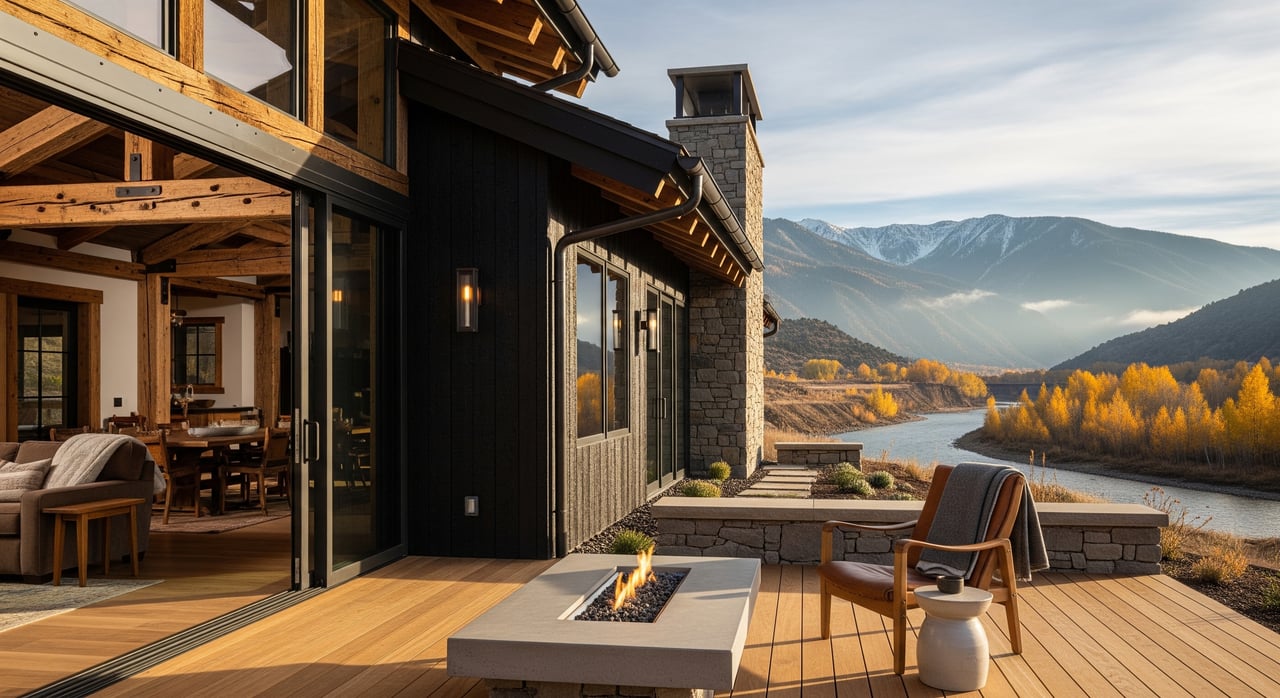
Outdoor access shapes daily life. The San Juan Mountains, Animas River, and nearby trails offer hiking, mountain biking, rafting, fishing, and winter sports. Ski areas are a short drive, often 20–45 minutes depending on the resort. Mesa Verde National Park, San Juan National Forest, and BLM lands are close, making weekend plans easy.
In town, you find local restaurants, breweries, galleries, and music with a smaller but curated feel. Social circles often grow through outdoor clubs, school activities, college events, and volunteer groups.
Durango blends long-term residents, students, retirees, seasonal workers, and second-home owners. You see neighbors often and get to know local business owners. Civic life is active, with ongoing conversations about housing, tourism impact, and land use.
If you are new, the fastest way to plug in is to join an outdoor group, attend community events, or volunteer. You will meet people quickly in a smaller town setting.
A smart move starts with a plan. Here is a practical checklist tailored to Durango.
You come to Durango for access to mountains, a tight-knit community, and real seasons. You trade big-city convenience for a lifestyle that rewards planning, winter readiness, and outdoor habits. Altitude is real. Winter is real. Housing is competitive. If those tradeoffs fit your goals, daily life here can be deeply rewarding.
If you want a coach to guide your move, connect with Eric B Roark for a clear, personalized plan. Let’s Coach You Home — Schedule a Relocation Strategy Session.
September 17, 2026

September 10, 2026
September 3, 2026
September 3, 2026
August 27, 2026
August 20, 2026
August 13, 2026
August 6, 2026
July 23, 2026
With Eric strategic partnerships, he can provide service with Commercial, Ranch, Residential or Resort. Let him know how he can provide service to you. Durango is truly the end of the Rainbow.