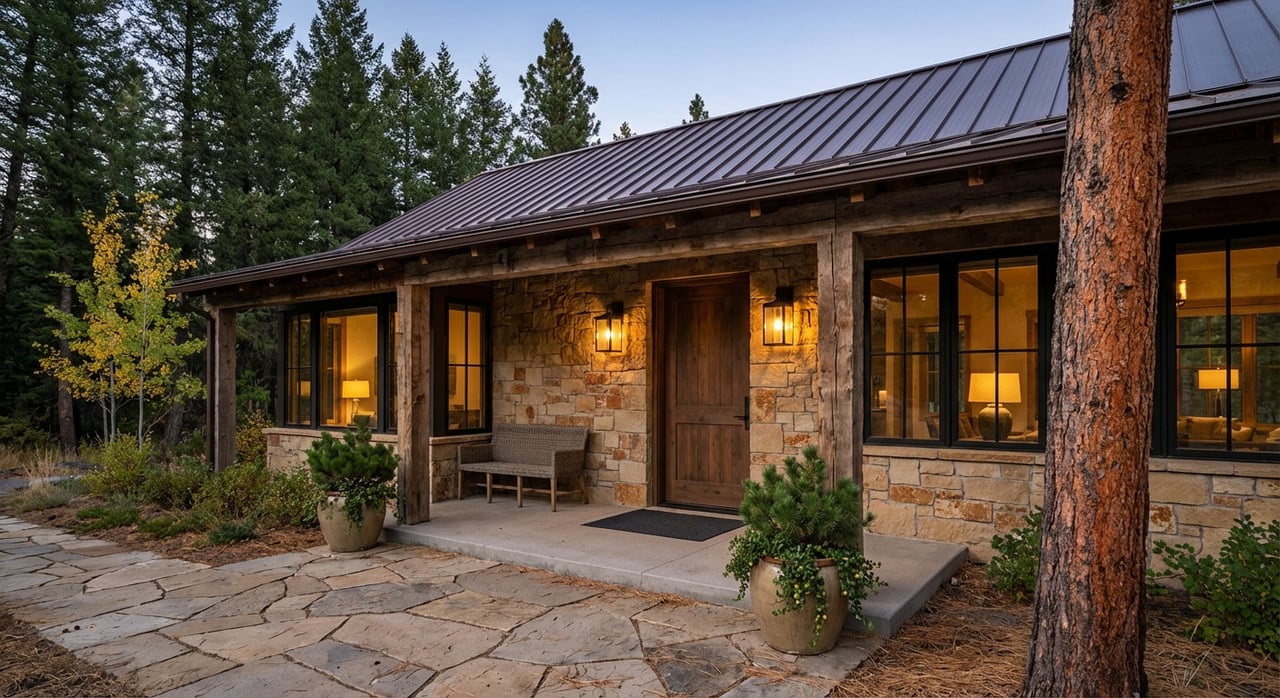
When to Sell Your Durango Home in a Shifting Market
Is now the right moment to put your Durango home on the market, or should you wait for spring’s buyer wave? In a low-inventory market that is starting to rebalance, timing your sale can add real dollars to your bottom line. You want a clear plan, local data, and a coach-style game plan that takes the guesswork out of when and how to list. This guide gives you a simple way to decide, plus step-by-step timelines and pricing tactics built for Durango and La Plata County. Let’s dive in.
Inventory has rebuilt from the extreme tightness of 2020–2022, and the market has moved toward balance. Local summaries show La Plata County’s median sale price in the roughly $682,000 to $695,000 range in 2025, with about 850–880 residential sales that year. You can see this big-picture context in the January 2026 wrap-up from the local market team at Destination DRO.
At the same time, micro-markets are not moving in lockstep. Local reporting shows in-town Durango and rural segments sometimes pulled in opposite directions in 2025. That means a single county median will not answer your timing question. The Durango Herald’s coverage highlights how in-town trends can diverge from the broader county.
Speed to contract also varies. Some local broker reports showed median days on market in the 60–70 day range in parts of 2025, while other county snapshots pulled higher when rural and resort-area listings were included. The takeaway: in-town Durango tends to move faster with less inventory, rural properties often run longer timelines, and resort-area condos can be more seasonal. When you decide when to list, anchor your plan to your exact neighborhood and price band, not the county as a whole.
You get two timing layers to consider:
Locally, in-town Durango draws year-round buyers. The in-town segment is less exposed to ski-season shifts, so it can perform outside strict spring/summer rules. Mountain-resort and condo segments are more seasonal. Pair the national spring cue with your local micro-market realities. Then work backward 8–12 weeks to build your prep plan.
Use this quick framework to align your goals with local signals.
| Sell now if… | Consider waiting if… |
|---|---|
| You must move in 3–6 months and want to reduce timing risk. | You need substantial fixes that would meaningfully raise your net when complete. |
| Your in-town or lower price band shows low inventory and quick absorption in the last 30–60 days. | Your resort or upper-luxury band shows high months of supply and slower sales. |
| You can price competitively and present the home at a high level right away. | You can secure contractors and permits within 3+ months to improve condition and appeal. |
If mortgage rates are your main concern on the buy side, talk with a lender about tools that reduce risk. Early 2026 averages moved lower versus 2024–2025 highs, with the 30-year fixed around 6.11% in the week of Feb 5, 2026, per Freddie Mac’s PMMS. Ask about rate locks, bridge loans, or rent-back options so you can sell on your best timeline without stalling your next move.
When inventory rebuilds, pricing discipline matters. Instead of leaning on a county median, ask your agent to pull a micro-CMA for the last 30–90 days that shows closed, pending, and active comps in your exact neighborhood and price band. Local commentary shows list-to-sale ratios moved into the mid-90% range in several La Plata segments in 2025, which means fewer automatic above-ask outcomes. Use recent list-to-sale percentages and days on market to set a realistic starting price. See local analysis highlights at Durango Area Realtor reports.
Practical pricing tactics:
Your prep calendar should drive your list date. Work backward from your ideal window.
Weeks −12 to −8
Weeks −8 to −4
Weeks −4 to 0
Days −30 to −21
Days −14 to −7
Day 0
Ask your agent for an evidence packet that keeps updates frequent and decisions simple. Your packet should include:
Disclosures. Colorado requires sellers to disclose known material facts and provides standardized forms. These include items like potable water source, special taxing districts, oil and gas activity notices, a radon warning, and meth lab remediation if applicable. Use the DORA/Division of Real Estate forms and update them if facts change. For a plain-English overview, see Nolo’s guide to Colorado seller disclosures.
Taxes. If the home is your primary residence, IRS Section 121 may allow you to exclude up to $250,000 of gain if single or $500,000 if married filing jointly, if you meet the ownership-and-use test. Review IRS Publication 523 and speak with your tax advisor about timing.
Appraisals and financing. In a rebalancing market, top-end list prices risk low appraisals when inventory rises. A micro-CMA, recent pending comps, and a thoughtful appraisal strategy can reduce surprises. Local list-to-sale ratios moving into the mid-90% range in 2025 reinforce the need for realistic pricing and clean documentation. See local analysis context at Durango Area Realtor reports.
Great presentation still moves the needle. NAR’s Profile of Home Staging shows staging helps reduce days on market and can increase offer strength. In a mountain town, staging that highlights views, cozy winter living, and easy indoor-outdoor flow is especially effective. For a quick stat overview, see this summary of the NAR staging report highlights.
Use these simple, high-impact moves:
You do not need a perfect market to have a great sale. You need a plan that fits your micro-market, your calendar, and your goals. If you want a coach-style partner to design your timing, pricing, and launch strategy, connect with Eric B Roark for a tailored game plan.

October 22, 2026

October 15, 2026
October 8, 2026

October 1, 2026
September 24, 2026

September 17, 2026

September 10, 2026
September 3, 2026

September 3, 2026
With Eric strategic partnerships, he can provide service with Commercial, Ranch, Residential or Resort. Let him know how he can provide service to you. Durango is truly the end of the Rainbow.