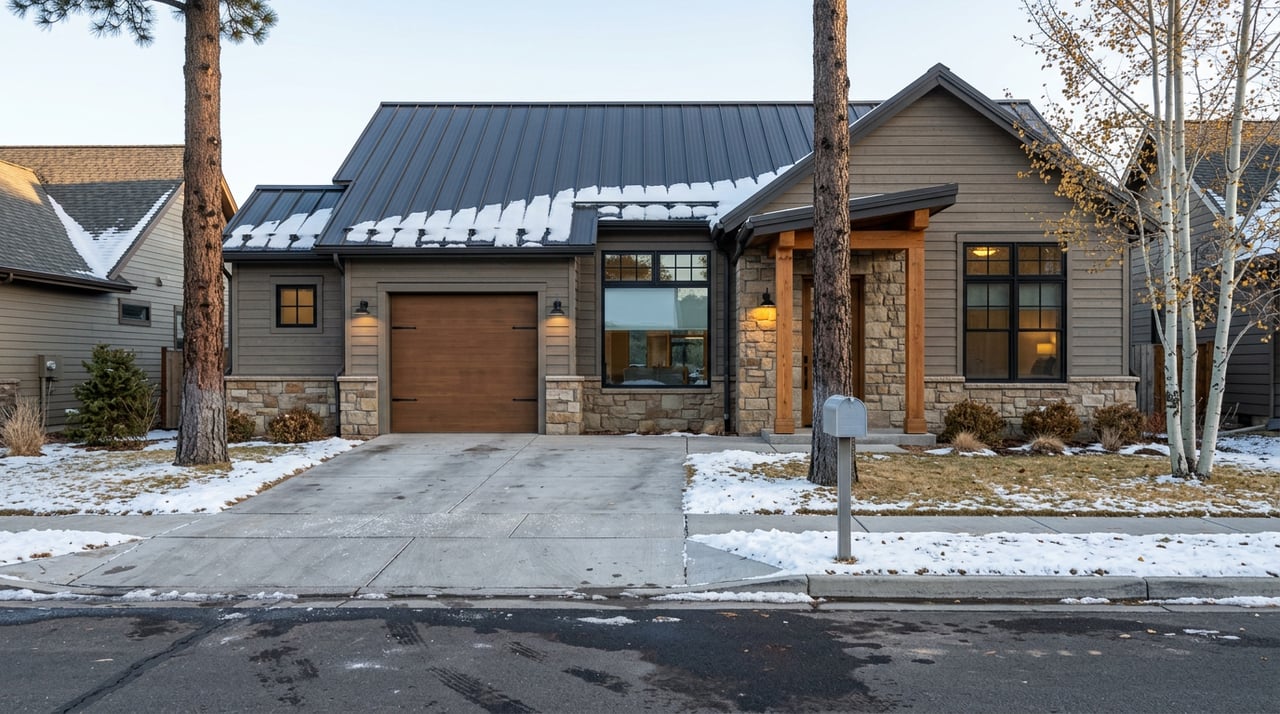
Do you picture yourself walking to coffee on Main, or watching alpenglow from a quiet mesa with no neighbors in sight? In Durango, both are possible, and each choice shapes your daily routine and budget in real ways. If you are torn between in-town convenience and the privacy of the outskirts, you are not alone.
In this guide, you will compare commute times, utilities, winter access, internet, and wildfire considerations so you can choose a home that fits your lifestyle. You will also get a simple scorecard to weigh tradeoffs like a coach would. Let’s dive in.
In-town living: convenience first
Shorter commutes and easy errands
If you plan to be in town most days, living inside the city limits reduces windshield time. According to American Community Survey data, Durango city residents report a mean travel time to work of about 14.4 minutes, which is shorter than the broader county average. You feel that difference on school runs, grocery trips, and last-minute appointments. Review the city’s profile to see how in-town commute times compare to the wider county area in La Plata County using this ACS summary for Durango.
Local transit access
Durango Transit provides fixed-route service within the city, including downtown, Fort Lewis College, medical destinations, and key corridors. If you value a backup to driving or want teens to reach activities, in-town neighborhoods are better served by routes and schedules. Learn how the trolley and bus connect key stops at this Durango transportation overview.
City utilities and services
In most in-town neighborhoods, you connect to municipal water and sewer. Billing is predictable and maintenance is handled by the city. In winter, the City of Durango plows about 164 lane miles by priority route, which takes much of the access burden off your plate. Get familiar with plow priorities and sidewalk rules on the City of Durango snow page.
Typical tradeoffs in town
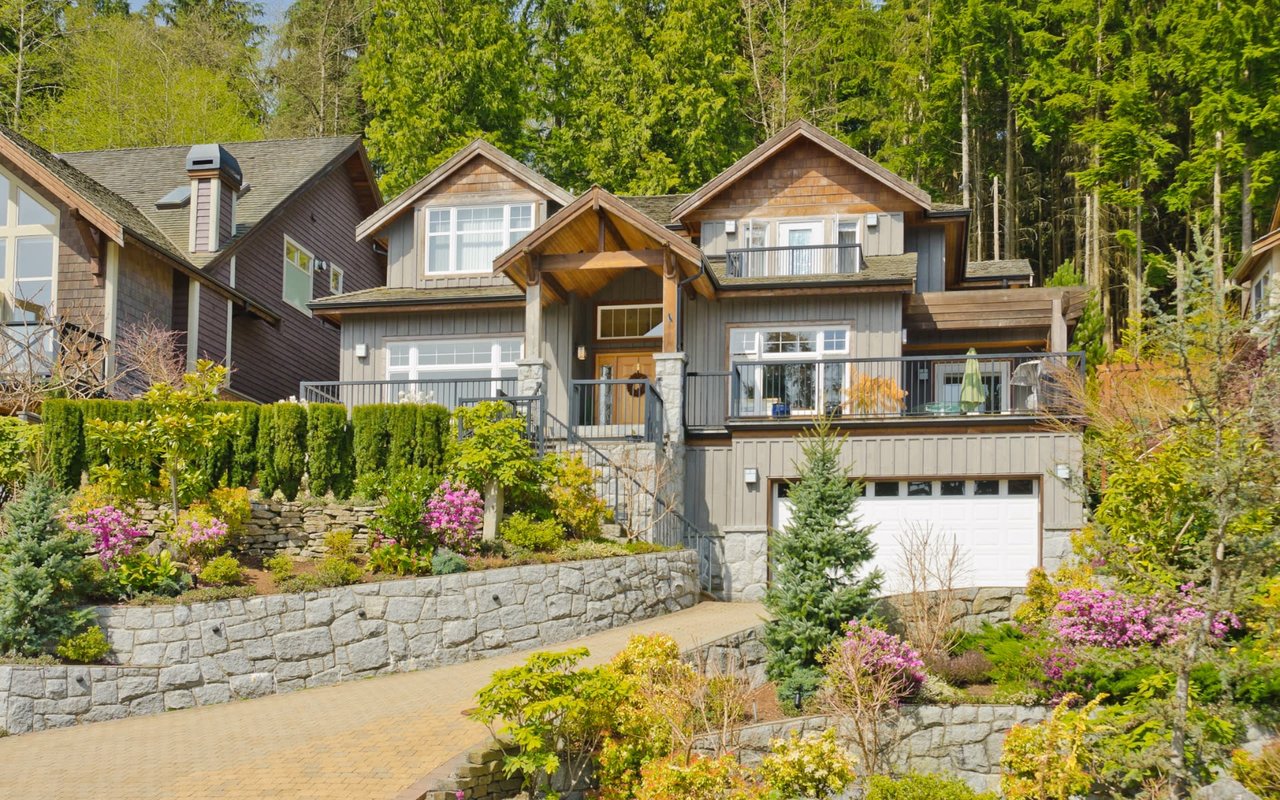
- Smaller lots and closer neighbors.
- More traffic, especially around events and peak seasons.
- Higher price per finished square foot compared to some rural options.
Outskirts living: space and privacy
Room to roam and big views
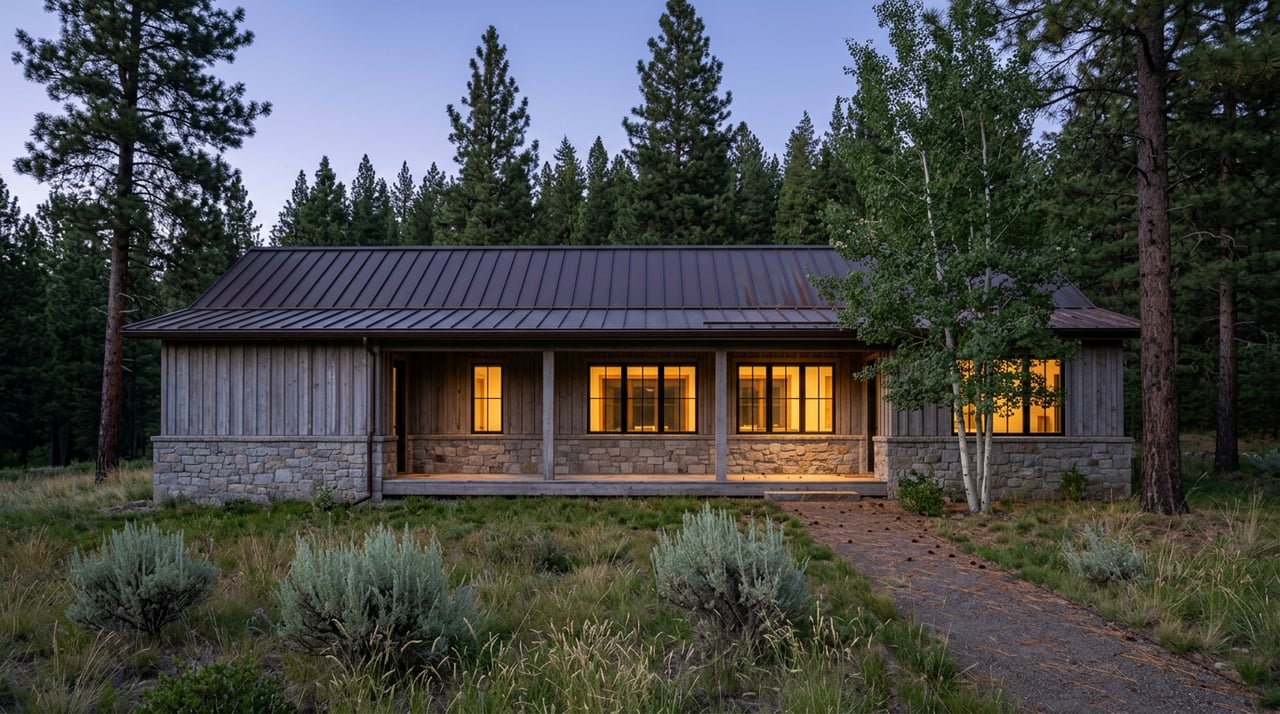
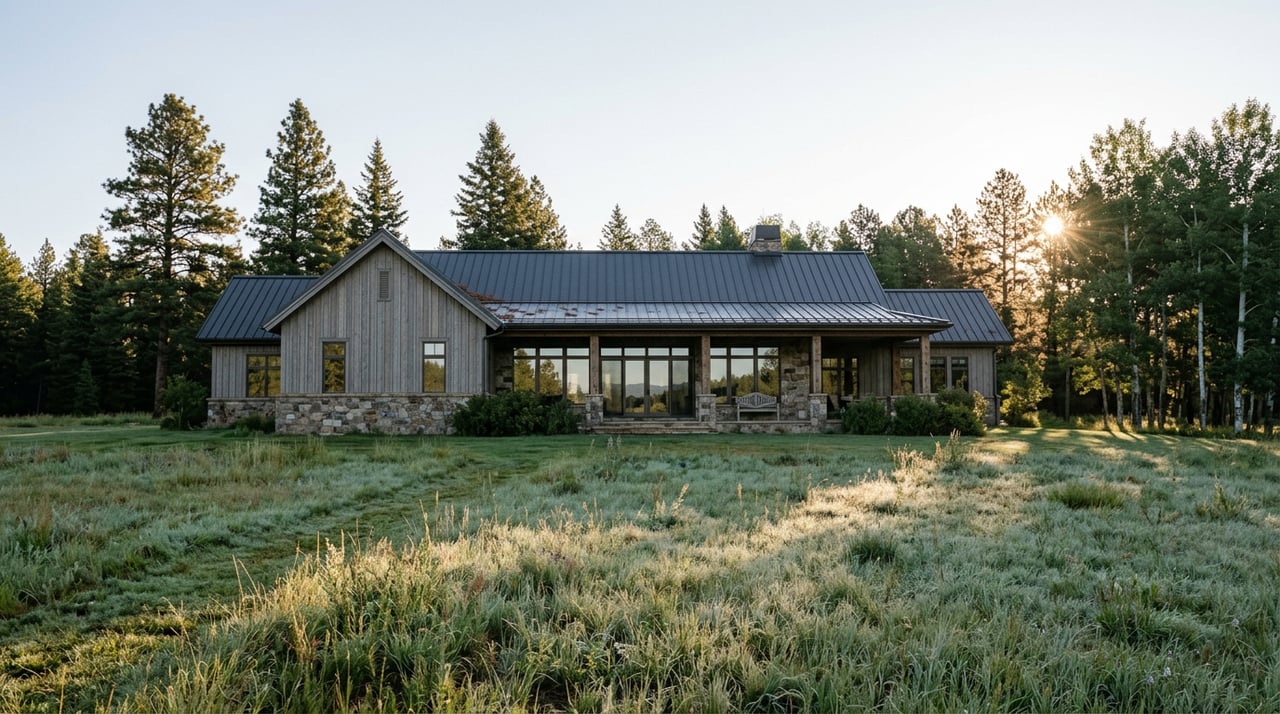
Country properties in La Plata County often deliver privacy, usable acreage, and open vistas. You can position a home for sun and views, create garden or horse areas, and enjoy fewer immediate neighbors. If your top priorities are elbow room and quiet, the outskirts fit the brief.
Private systems and self-reliance
Most rural parcels rely on private wells and onsite wastewater systems. You will manage your own water source and septic system, including permitting, inspections, and maintenance. La Plata Electric Association is the primary rural power provider, and you should confirm whether a meter is on site or if a line extension is needed. Learn about the cooperative’s local role through LPEA’s chamber listing.
Winter access and road care
The county plows primary county roads, but it does not clear private roads, HOA roads, or your driveway. On rural properties, plan for a contractor or your own equipment and a written snow plan so emergency vehicles can reach you. See how the city and county handle storms in this Durango Herald look at snow removal realities.
Typical tradeoffs on the outskirts
- Longer drive times into town, especially during storms.
- Upfront and ongoing costs for well, septic, and possible utility extensions.
- Higher exposure to wildfire risk in many WUI areas and more yard/defensible space maintenance.
Daily logistics: how each choice feels
Commute and school runs
- In town: Quicker trips for work, activities, and healthcare. The ACS city average of about 14.4 minutes reflects that pattern. See the Durango ACS profile for context.
- Outskirts: Expect 10 to 40 extra minutes depending on distance, road type, and winter conditions. Test your exact route at real commute times before making a decision.
Transit availability
- In town: Durango Transit covers core routes and hub destinations. Check routes and regional connections at this transportation overview.
- Outskirts: Plan on private vehicles for daily errands and school. Some regional services exist, but fixed-route coverage is limited outside city areas.
Utilities and infrastructure: costs and clarity
Water and wastewater
- In town: Municipal water and sewer simplify life and budgeting. The city manages main lines and billing.
- Outskirts: You will permit, test, and maintain a private well and septic. Colorado requires permits for wells through the Division of Water Resources. Start with the state’s DWR well forms and guidance. For onsite wastewater, La Plata County Public Health oversees permitting and licensing. For practical upkeep tips, see the Herald’s notes on getting an onsite system running.
Cost ranges vary by site, depth, soils, and system type. Industry guides show Colorado private wells often running from about ten thousand dollars into the tens of thousands depending on local geology. Review typical ranges in this Colorado well owner guide. Conventional septic systems can land in the low-to-mid thousands to low five figures, while engineered systems can be higher. Always get local bids after a soils test.
Electricity and gas
- Electricity: LPEA serves much of La Plata County. If a property is remote or needs upgrades, ask about any line-extension fees or capacity limits. Start with LPEA’s member services info.
- Gas: Availability varies by neighborhood. Some subdivisions have natural-gas mains, while many rural homes rely on propane or electric heat. Confirm gas availability and any extension policies before you offer.
Broadband and phone
Internet coverage is strong in many in-town locations and more variable in rural pockets. The state’s BEAD funding targets areas with gaps, including parts of La Plata County, and will expand service in coming years. If reliable high-speed internet is a must, confirm address-level options and speeds. See the coverage context in this Durango Herald update on Colorado’s broadband funding.
Winter operations: who clears what
- In town: The city runs 24-hour plowing by priority routes and has sidewalk rules for adjacent owners. Learn how it works on the City of Durango snow page.
- Outskirts: County crews prioritize primary county roads. Private drives and many subdivision roads are owner or HOA responsibilities. Plan for private plowing or equipment and a written winter access plan. Get a feel for the workload in this Herald article on snow removal.
Wildfire exposure and insurance
Many neighborhoods and subdivisions across La Plata County sit in the wildland-urban interface. Insurance carriers often evaluate mitigation, materials, and access when quoting coverage. Before you buy on acreage, request a wildfire-risk review and build a defensible space plan. Explore local CWPPs and planning resources through the Colorado State Forest Service’s CWPP portal.
Resale dynamics: what to expect
Every submarket behaves a little differently. In-town condos and townhomes often move on a different timeline than single-family homes. Rural acreage and ranch properties may take longer to market because there are fewer buyers, but standout views, access, and improvements can drive strong prices. Because conditions can shift quarter to quarter, rely on current MLS data for your property type and price band when you are ready to act.
Coach’s decision framework: choose with confidence
Use this simple process to compare two or three properties.
Step 1: Rank your top three non-negotiables
Examples:
- Under 15-minute commute to work or school
- Municipal water and sewer
- Minimum half-acre lot size
- Fast, reliable broadband for remote work
- Minimal private winter driveway work
Step 2: Score each property on six factors
Rate 0 to 5 for each. Higher is better.
- Commute convenience
- Water and sewer setup
- Internet reliability
- Winter access and road responsibility
- Wildfire risk and insurance availability
- Resale appeal in your target price band
Set a target total for your best fit. For example:
- 22–30: Likely prefer in-town or near-town neighborhoods
- 16–21: Consider near-suburbs and select rural areas with good access
- 0–15: Choose rural if privacy and land are the top goals
Step 3: Do three fast address checks
- County records: Verify utilities, taxes, and legal access on the parcel.
- Power: Call LPEA to confirm meter location, capacity, and any extension costs. See LPEA’s listing for member services.
- Water/sewer: For rural, pull the well file from the State DWR portal and request septic permit history from La Plata County Public Health. The Herald’s septic guide offers practical context.
Step 4: Write in the right contingencies
- Survey and access verification
- Well yield and water quality test (if applicable)
- Septic inspection or permit file review
- Driveway and private road maintenance plan in writing
- Insurance quote for wildfire and structure coverage
Step 5: Add a rural contingency budget
On acreage, build in extra funds for utility work, driveway improvements, and wildfire mitigation. These items can be material and should appear in your offer planning.
Quick-reference checklist you can print
Use this one-page list while touring homes.
- Inside city limits? If yes, note city snow removal and municipal water/sewer. Review the city snow page.
- Road type and maintenance? County, HOA, or private. If private, get a snow plan and cost estimate. Read this snow removal overview.
- Water source: City, shared system, or private well. If well, pull state records at the DWR portal.
- Wastewater: Sewer connection or septic. Ask for permit history and maintenance records. Use this onsite wastewater guide as a primer.
- Electric: Confirm meter location, line distance, and any extension charges with LPEA.
- Gas: Check for natural-gas service or plan for propane/electric heat.
- Internet: Confirm providers and tested speeds. See county coverage context in the broadband funding update.
- Wildfire: Is the property in a CWPP zone? Note required mitigation and budget. Explore CSFS CWPP resources.
The bottom line
If you want walkable access, fast errands, and city-managed services, in-town Durango likely fits your rhythm. If you crave quiet, land, and night skies, the outskirts deliver—just plan for private systems, winter work, and wildfire readiness. The right choice comes from ranking your priorities, confirming address-level facts, and budgeting for the details that do not show up in listing photos.
Ready to compare real listings with a coach at your side? Let’s map your non-negotiables, run a custom scorecard, and build a clean, confident plan to buy. Start the conversation with Eric B Roark.
FAQs
What are the main differences between in-town and outskirts utilities in Durango?
- In town you usually have municipal water and sewer; on the outskirts you often rely on a private well and septic with permits, inspections, and ongoing maintenance.
How does winter snow removal differ for city and rural homes in La Plata County?
- The city plows prioritized streets inside town, while rural owners must plan for private plowing on driveways and many subdivision roads because the county does not clear private access.
What should I know about internet service when buying outside Durango city limits?
- Rural coverage can be uneven, so confirm address-level providers and speeds; the state’s BEAD funding aims to improve gaps over time, but you may rely on wireless or satellite now.
How does wildfire risk impact buying on acreage around Durango?
- Many rural areas are in the WUI, so you should budget for mitigation, verify access, and talk with insurers early since coverage and pricing can vary by risk and property features.
How can I compare commute times for in-town vs rural properties?
- Use real-time tests during your typical drive window and review ACS data showing in-town Durango’s shorter average commutes to gauge how daily travel will fit your schedule.