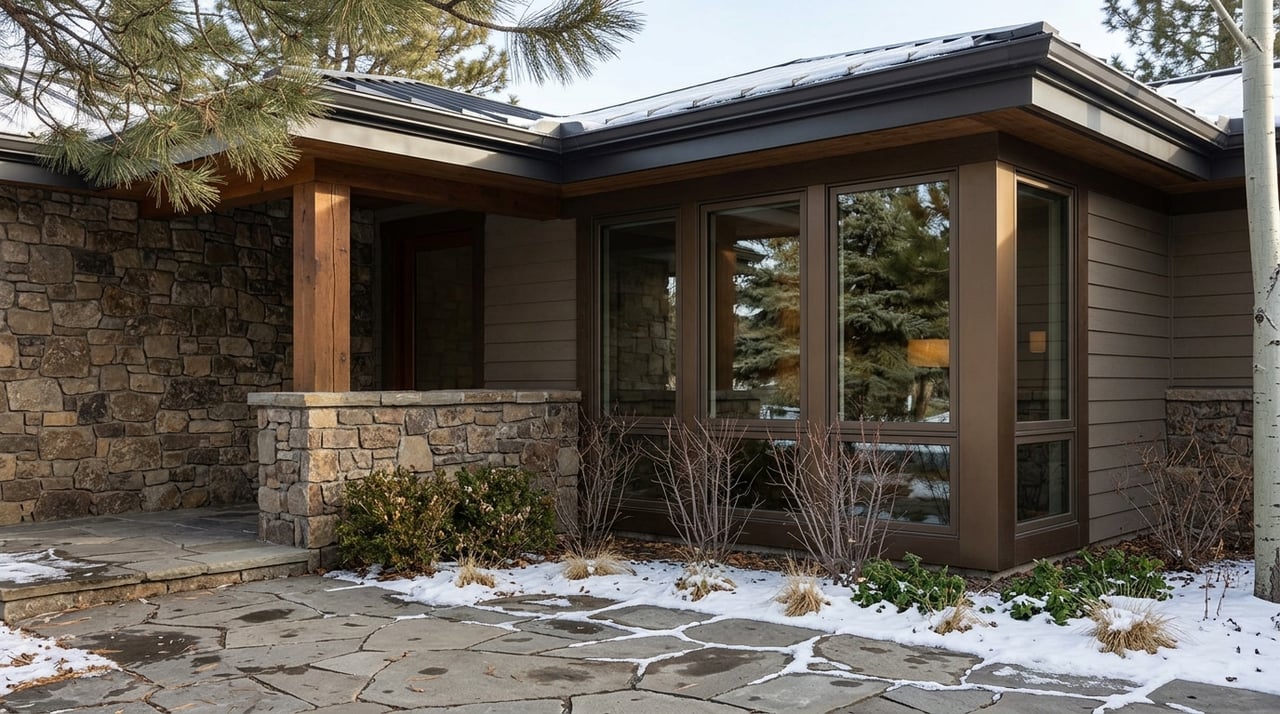
Relocating to Pagosa Springs: A Smart Buyer Playbook
Thinking about moving to Pagosa Springs? The views can win you over fast, but a smart move here takes more than falling for a mountain backdrop. If you are relocating from out of state, buying a second home, or planning a future build, you need a game plan that fits how Pagosa Springs really works. This coach-style playbook will help you focus on the details that matter most before you make an offer. Let’s dive in.
Pagosa Springs is not a typical suburban market. It is a mountain town at about 7,126 feet, with summer highs near 80°F, winter highs near 40°F, and a lot of sunshine throughout the year. It also sits among roughly 2.5 million acres of San Juan National Forest and nearby wilderness areas, which shapes both the lifestyle and the practical side of ownership.
That mountain setting is a big part of the appeal, but it also changes how you should buy. In Pagosa Springs, your decision is not just about square footage and finishes. You also need to think about seasonality, road access, utilities, jurisdiction, and long-term property use.
If you are moving to Pagosa Springs from another state or another part of Colorado, start by treating your home search like a coached process. A clear plan helps you avoid common mistakes, especially if you only have a short window to tour properties. In a market like this, a beautiful home can still come with practical issues that need careful review.
A strong first step is defining how you will use the property. Your checklist will look different if you are moving full time, buying a seasonal retreat, planning a future build, or exploring short-term rental potential. The right buying strategy starts with the right use case.
Pagosa Springs is about 60 miles east of Durango on US 160, and commercial airline access typically runs through Durango-La Plata County Airport. Stevens Field serves private aircraft, which can help some buyers, but most relocation clients still need to plan around rural travel logistics. That alone makes an in-person scouting trip important.
If possible, visit in more than one season. A summer trip can show you blue skies, open trails, and easy roads, but it may not reveal what winter travel feels like or how dry-season fire conditions affect daily life. In mountain markets, one season rarely tells the whole story.
Colorado mountain highways can face avalanche-control closures in winter, and local fire restrictions can become a real factor during dry periods. In June 2026, the Town of Pagosa Springs enacted Stage 1 fire restrictions because of elevated fire danger. That is a reminder that weather and land conditions are part of ownership here.
When you tour homes, ask practical questions tied to the season. How is the driveway handled in winter? How exposed is the property during storms? What will you need to manage during dry months? These questions matter just as much as the kitchen layout or the view deck.
One of the most important moves you can make is confirming whether a property sits inside town limits or in unincorporated Archuleta County. That single fact can affect permits, short-term rental rules, tax obligations, and development paths. In Pagosa Springs, jurisdiction is not a minor detail. It is a key part of your buying strategy.
Inside the Town of Pagosa Springs, stays of fewer than 30 consecutive days require a Vacation Rental license. Outside town, Archuleta County handles short-term rental permits. If you think you may rent the property now or later, you need to verify the correct rules before you buy.
A good relocation plan connects the property to the life you want to live. That sounds simple, but in a mountain market, buyers often focus on appearance first and logistics second. A coach’s approach flips that order.
Ask yourself a few direct questions:
The clearer your answers, the easier it is to narrow down the right neighborhoods, property types, and due-diligence steps.
Utility setup is a major part of buying in Pagosa Springs. Pagosa Area Water and Sanitation District serves about 76 square miles, including the Town of Pagosa Springs and parts of unincorporated Archuleta County. Some homes will connect to district services, while others may involve different systems depending on location.
The town also owns a geothermal heating system that serves local customers during the fall, winter, and spring, typically from October through April. That is a unique local feature, but it also shows why buyers need to ask detailed utility questions early. In Pagosa Springs, utility service is not something you want to discover late in the transaction.
If you are buying outside denser town areas, confirm whether the property is on town sewer or an on-site wastewater treatment system. In Colorado, local counties permit on-site wastewater treatment systems with flows of 2,000 gallons per day or less. That means septic questions should be part of your early due diligence, not a last-minute item.
This becomes especially important for acreage, ranch, or build-later purchases. A parcel can look ideal on paper but still require deeper review for septic feasibility, water service, and future use. That is one reason disciplined buyers bring in the right professionals early.
For remote buyers, paperwork should never replace boots-on-the-ground due diligence. Colorado’s residential Seller’s Property Disclosure is not a warranty, and the state form specifically says inspections are advisable. In other words, a clean-looking disclosure is not the same thing as a complete understanding of the property.
A strong inspection plan helps you get past surface appeal and into the realities of ownership. In Pagosa Springs, that can mean looking closely at access, drainage, deferred maintenance, utility systems, and site-specific issues tied to mountain conditions.
Radon should be treated as a normal inspection item in Pagosa Springs, not an extra. The Colorado Department of Public Health and Environment says radon is a naturally occurring radioactive gas, and about half of Colorado homes test above the EPA action level of 4 pCi/L. That makes testing a practical standard for buyers in this market.
If you are relocating from a lower-risk region, this may be new to you. In Southwest Colorado, it is simply part of smart due diligence. A coach-style buying plan includes it from the start.
If you are considering land, a ranch, or a home with future improvement potential, check legal-lot status and land-use rules early. Archuleta County says many development activities, subdivision work under 35 acres, changes of use, temporary uses, and work in a floodplain are reviewed through a Land Use Permit. That makes planning review a central part of many purchases outside a standard in-town home search.
The key lesson is simple: do not assume a parcel is buildable or easy to modify just because it looks usable. County staff notes that legal-lot status matters, and zoning information is tied to the Assessor’s online map. If your plans include building, remodeling, dividing land, or changing use, verify those paths before you commit.
Wildfire is not a theoretical issue in Pagosa Springs. It is a seasonal reality that should shape how you evaluate a property and how you plan to live in it. Fire restrictions can change with conditions, and buyers should understand what that means for access, maintenance, and peace of mind.
The town also says the Colorado Wildfire Resiliency Code takes effect on July 1, 2026, applying to new construction, additions over 500 square feet, and some exterior replacements like roofs or siding. If you plan to build, expand, or significantly update a home, that code may affect costs and material choices.
If you are buying in town, it is smart to ask about sewer service and related costs. The Town of Pagosa Springs has said it is dealing with wastewater system challenges, and voters approved a new 1% sales tax in November 2025 to help fund sewer repairs and modernization. The town estimates that roughly $80 million to $100 million will be needed for major fixes.
That does not mean town properties are a problem. It simply means infrastructure should be part of your decision-making process. A disciplined buyer asks how utility and district issues could affect ownership costs over time.
If you are relocating with children, school logistics may shape where you search. Archuleta County 50 Jt serves 1,583 students across five schools: Pagosa Springs Elementary, Pagosa Springs Middle, Pagosa Springs High School, Pagosa Peak Open School, and San Juan Mountain School. The district also notes that some students live across the New Mexico line and attend in Archuleta County.
That information will not tell you which home to buy, but it can help you plan routes, routines, and daily scheduling. In a rural mountain setting, those practical details often matter more than buyers expect.
One of the smartest relocation steps happens before move-in day. The Town of Pagosa Springs recommends signing up for town alerts and Archuleta County Nixle alerts for wildfire updates, evacuation notices, and other urgent information. If you will own a home here, especially as a remote or seasonal owner, these alerts can be part of your safety plan.
This is especially useful for second-home buyers who are not in town year-round. Local alerts help you stay connected to real conditions rather than relying on secondhand updates.
If this will be your primary home, focus on winter access, utilities, school logistics, and emergency alerts first. You want a home that fits your day-to-day life in every season, not just one that shines during a weekend tour. A full-time move works best when the property supports how you actually live.
If this is a seasonal retreat, think about lock-and-leave convenience, utility service, and future rental flexibility. A home that feels easy to manage from afar can be very different from one that feels easy to enjoy for three days. Make sure your ownership plan matches the property’s setup.
If you want land or future building options, focus on legal-lot status, floodplain review, septic feasibility, and permit pathways. In Pagosa Springs, the difference between a scenic parcel and a practical one can be significant. These are the purchases where early county review matters most.
If rental income is part of the plan, start with jurisdiction. Town and county properties follow different permit or license paths and tax obligations. Do not build your numbers on assumptions. Verify the rules first, then evaluate the property.
The best buyers in Pagosa Springs stay grounded. They enjoy the scenery, but they also pay attention to the systems behind the lifestyle. That means checking seasonality, utility setup, jurisdiction, inspection items, and compliance questions before they get emotionally committed.
That is where a coach-style approach helps. When you follow a clear process, you can enjoy the mountain-home dream without skipping the details that protect your investment.
If you are planning a move to Pagosa Springs and want a steady guide through the process, Eric B Roark can help you build a smart relocation strategy from the start.

October 22, 2026

October 15, 2026
October 8, 2026

October 1, 2026
September 24, 2026

September 17, 2026

September 10, 2026
September 3, 2026

September 3, 2026
With Eric strategic partnerships, he can provide service with Commercial, Ranch, Residential or Resort. Let him know how he can provide service to you. Durango is truly the end of the Rainbow.