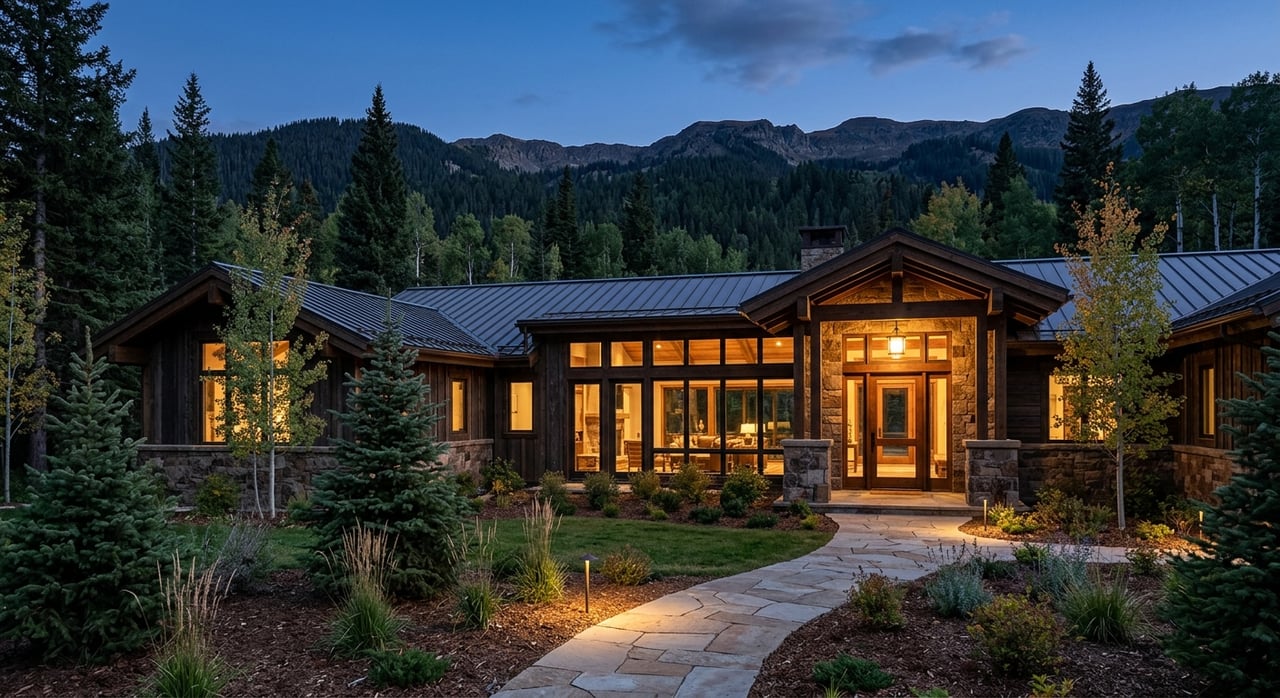
Your Step-By-Step Game Plan For Selling A Durango Home
Selling a home in Durango can feel simple from the outside. Prices are high, demand is real, and the area draws local and out-of-state buyers. But today’s market still asks for strategy, preparation, and a steady hand. If you want to sell with fewer surprises and a stronger plan, this step-by-step guide will show you what to do before you list, how to launch well, and what to expect from contract to closing. Let’s dive in.
Durango remains a high-price market, but that does not mean every home sells fast or on the seller’s terms. Realtor.com’s April 2026 snapshot shows 531 homes for sale, a median listing price of $849,000, a median sold price of $808,250, 64 median days on market, and a 98% sale-to-list ratio. That same snapshot labels Durango a buyer’s market because supply exceeded demand.
That matters if you are getting ready to sell. Buyers are still active, but they are also comparing options, negotiating terms, and paying close attention to condition and pricing. In other words, a good market still rewards disciplined preparation.
Local reporting also shows that pricing can move differently depending on the area. The Durango Herald reported that the in-town median price in Q1 2026 reached $940,000, while La Plata County overall was up 11.5% year over year. At the same time, Realtor.com data shows different patterns by zip code, with 81301 around a $842,000 median listing price and 63 days on market versus 81303 around $787,000 and 86 days on market.
Your first move should be a comparative market analysis, not a quick online estimate. Broad city averages can hide what is really happening in your part of Durango or La Plata County. A home near town, a mountain property, and a rural home with septic and access issues may attract very different buyers and timelines.
Current data also suggests that overpricing can slow you down. Realtor.com reports a 98% sale-to-list ratio, and homes sold for about 1.89% below asking on average in March 2026. That is a strong reminder that pricing high just to “leave room to negotiate” can backfire if it costs you attention in the first weeks on market.
A coach-style pricing plan should answer a few key questions:
Most sellers do better when they work backward from their target list date. A practical timeline is about 60 to 90 days for homes that need repairs, cleanup, document gathering, or specialty property review. If your home is already in strong shape, about 30 days may be enough.
The goal is simple. Finish the work that will show up in photos, buyer showings, inspections, or disclosures before the home goes live. That usually leads to a cleaner launch and fewer mid-escrow surprises.
Before photos and showings, prioritize the items that affect first impressions and buyer confidence. Clean interiors, simple curb appeal, and visible maintenance go a long way in a market where buyers have choices.
Your pre-list checklist may include:
Professional photography matters even more when homes are spending longer on the market. Buyers often decide whether to schedule a showing based on photos alone, so presentation is not optional.
Colorado’s current Seller’s Property Disclosure form must be completed to your current actual knowledge. If you later discover a new adverse material fact, it must be disclosed promptly. That means it helps to keep a running list before you ever hit the market.
Start gathering notes and records for:
This step is not about creating alarm. It is about staying organized, reducing last-minute stress, and helping your sale move forward with fewer avoidable disputes.
In Durango and greater La Plata County, some homes need extra prep beyond the usual cleaning and repairs. Local property conditions can affect both buyer interest and escrow timing, especially for mountain and rural homes.
The City of Durango says it began enforcing the Colorado Wildfire Resiliency Code on April 1 and highlights defensible space and home hardening in the wildland-urban interface. The city also points homeowners toward wildfire safety assessments through the Durango Fire Protection District and seasonal brush clean-ups.
If your home is in or near the WUI, wildfire readiness should be part of your listing plan. Buyers may notice overgrown vegetation, blocked access, or debris around structures right away, and those items can shape how they view risk and maintenance.
A practical wildfire prep list includes:
If your property uses an onsite wastewater system, do not wait until escrow to look into transfer requirements. La Plata County Public Health lists a Transfer of Title Acceptance Document fee of $110, which is a good reminder that septic-related paperwork may be part of your timeline.
The earlier you verify what is needed, the easier it is to avoid delays when a buyer is already under contract.
For homes in unincorporated La Plata County, driveway standards can also matter. County materials state that driveways generally require a permit, with limited exemptions. If your property is rural or mountain-based, it is wise to confirm what records you have before listing.
This is especially important when access is part of the home’s story. Buyers want confidence that the practical parts of ownership are clear, not just the scenic parts.
Many sellers focus on when to list. The better question is whether your home is truly ready. A spring market can be helpful, and Realtor.com’s 2026 Best Time to Sell report points to the week of April 13 to 19 as a strong national window for higher prices, more views, less competition, and faster sales.
Still, in Durango, readiness often matters more than chasing a date on the calendar. If repairs are unfinished, photos are weak, or local issues are still unresolved, an early launch can cost you momentum.
Your launch plan should create a strong first impression from day one. In a market with meaningful active inventory and a median 64 days on market, buyers are more selective.
A solid launch usually includes:
For distinctive homes, premium presentation can also help tell the property’s story more clearly. That matters in Durango, where lifestyle, setting, and land features often influence how buyers respond.
When offers come in, the highest number is not always the strongest one. A smart review looks at the full structure of the contract, including timing, contingencies, and the buyer’s ability to close.
Colorado’s 2026 forms package includes tools like the inspection objection notice, title-related objection notice, appraised value objection notice, closing statement, and closing instructions. That tells you something important: inspection, appraisal, title, and closing negotiations are normal parts of the process.
When comparing offers, review:
A slightly lower offer with cleaner terms may be stronger than a higher one with more risk. The right choice depends on your timeline, your home’s condition, and how much uncertainty you want to carry into escrow.
Once you are under contract, the job is not done. Escrow is where preparation pays off, and it is also where new problems can appear if communication slows down.
Because Colorado seller disclosure is tied to current actual knowledge, any newly discovered issue should be shared promptly. Waiting until the buyer uncovers it can increase the chance of renegotiation or a failed contract.
Buyers will usually look closely at condition, deferred maintenance, and property systems. If your home is older, more rural, or more complex, expect more questions. Having invoices, maintenance history, mitigation records, or system documents ready can help support confidence.
Appraisal can also become a negotiation point. In a market where pricing varies by submarket and home type, strong comparable support matters.
If your home was built before 1978, you must provide the lead-based paint disclosure, share any known hazard records, provide the EPA pamphlet, and allow the buyer a 10-day review or inspection period unless the parties agree otherwise in writing. Sellers must also retain a copy of the completed disclosure for three years.
This is a simple reason to start paperwork early if you own an older Durango home. Contract timing may depend on it.
As closing gets closer, focus on the practical steps that help the handoff go smoothly. This is where a clear checklist can save time and lower stress.
Your closing checklist should include:
Durango residents can register for NotifyMe, and La Plata County offers LPC Alerts and CodeRED for emergency and evacuation notices. If you are moving out before closing, staying connected to local alerts is a smart extra step.
Selling a Durango home is rarely about one big decision. It is about a series of smaller, well-timed moves that build toward a better result. When pricing is grounded, prep is thorough, and local details are handled early, you put yourself in a stronger position to attract serious buyers and navigate the contract process with more confidence.
If you want a disciplined, local game plan built around your property, your timing, and your goals, connect with Eric B Roark and take the next step with a coach in your corner.
August 6, 2026
July 23, 2026
July 16, 2026
July 9, 2026
July 9, 2026
July 2, 2026
June 25, 2026
June 18, 2026
June 11, 2026
With Eric strategic partnerships, he can provide service with Commercial, Ranch, Residential or Resort. Let him know how he can provide service to you. Durango is truly the end of the Rainbow.