Living in Pagosa Springs: What a Weekend Reveals
Ever had a trip surprise you by feeling less like a getaway and more like a glimpse of how you could actually live? That is what a long weekend in Pagosa Springs often does. You come for the hot springs, mountain air, and trails, then start noticing the grocery stores, river walk, downtown rhythm, and everyday ease that make the town feel real. If you are curious what time here actually feels like on the ground, this guide will walk you through it. Let’s dive in.
Pagosa Springs is easy to picture as a resort stop, but the better description is a compact mountain town with daily-life infrastructure built in. It is the county seat of Archuleta County, and the town sits at the junction of U.S. 160 and U.S. 84.
What stands out is the mix of practical and recreational essentials in one place. You have three grocery stores, broadband, a Level IV trauma hospital, a walk-in clinic, retail shops, galleries, an arcade, disc golf, and a theater company, all part of the local backdrop.
That balance changes how a weekend feels. You are not moving through a place designed only for visitors. You are stepping into a town where people run errands, meet friends, head to the river, and build a normal routine around an extraordinary setting.
If you want to understand Pagosa Springs quickly, start downtown. The river walk gives you one of the clearest reads on how the town fits together.
The official downtown brochure maps several short, approachable walking routes. There is a 0.75-mile stretch from Town Park to the Wetlands, a 0.7-mile route from Town Park to the River Center, and a 1.7-mile Riverwalk Loop.
Those paths connect some of the places that define the local experience. Along the way, you pass the visitor center, geothermal soaking pools, Centennial Park, the community garden, the wetlands, and Town Hall.
That matters because a long weekend here is not only about what you do. It is also about how close everything feels. You can walk a meaningful slice of town without turning the day into a plan.
In a lot of mountain towns, one activity gets treated like the headline. In Pagosa Springs, the hot springs are more like a rhythm.
The Mother Spring aquifer is more than 1,002 feet deep and feeds the town’s signature soaking spots. That includes The Springs Resort, Overlook Hot Springs, and Healing Waters Resort & Spa.
Each one shapes the day a little differently. The Springs Resort has more than 50 pools, Healing Waters is open year-round, and Overlook adds rooftop tubs and indoor pools.
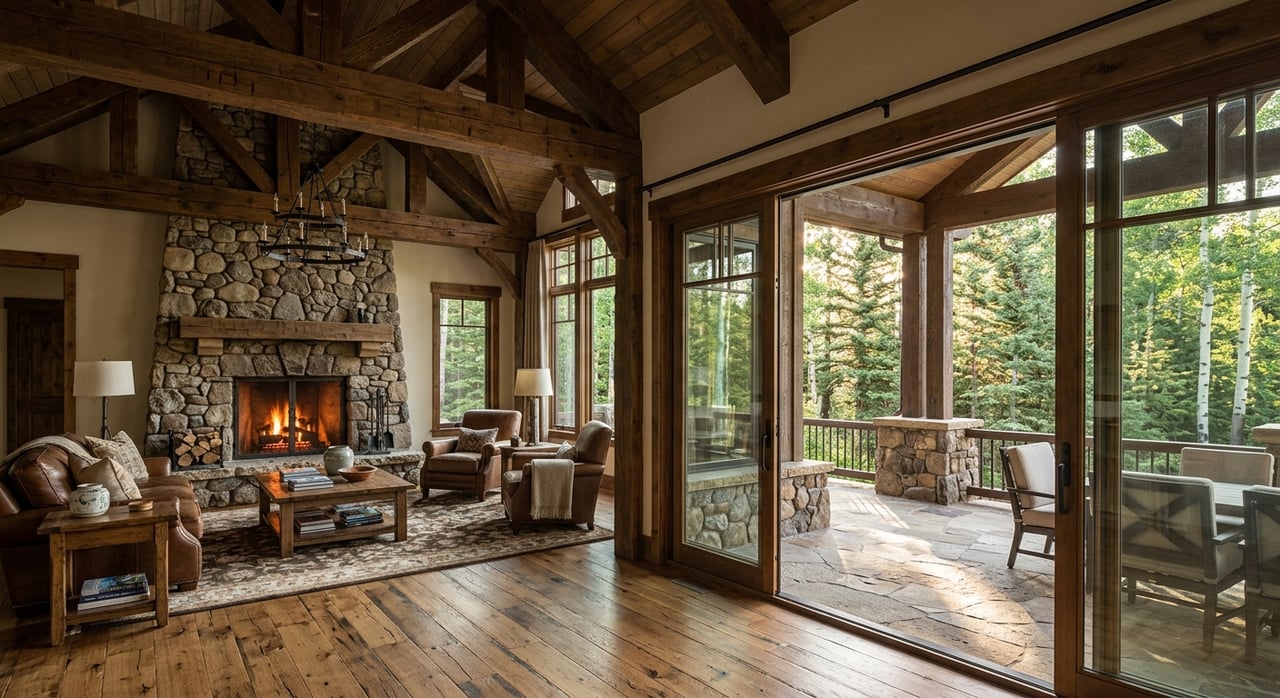
What you notice after a day or two is how naturally soaking fits into the flow of things. It can be the first thing you do in the morning, a break in the afternoon, or the quiet reset that ends the night.
Pagosa Springs also has a strong outdoor side, but it does not require a huge production. The San Juan National Forest has hundreds of trails within a short drive, and about 152 miles of the Continental Divide Trail run through the Pagosa and Columbine districts.
For a weekend, that kind of access gives you options without pressure. You can choose something short and scenic or make a full morning of it.
Nearby hikes listed by Explore Pagosa include Piedra Falls at 0.4 miles, Turkey Creek Trail at 5.2 miles, Fourmile Falls at 7.6 miles, and Piedra River Trail at 11.2 miles. That range is part of the appeal because it lets you match the day to your energy.
This is one reason visitors start imagining a longer stay. In Pagosa Springs, the outdoors feel close enough to use often, not just admire from a distance.
A long weekend feels more personal when the food scene helps tell the story of a place. In Pagosa Springs, the dining mix is broad enough to keep things interesting while still feeling distinctly local.
Local directories describe a lineup that includes American, Italian, Mexican, Chinese, Thai, fusion, coffee shops, bakeries, breweries, cocktails, and vegan or vegetarian options. Examples include Pagosa Brewing & Grill, Riff Raff Brewing Company, Pagosa Baking Co., Joys Natural Foods, Rosie’s Pizzeria, Kip’s Grill & Cantina, The Lost Cajun, P.S. Chocolates, and Terri’s Table.
Downtown adds to that experience because it is built around walking, browsing, and lingering a little longer than planned. Pagosa Springs Main Street describes it as a walkable district shaped by shops, historic character, community, and movement on foot or by bike.
That tone carries into the evening. Events like Wine Walk on the 400 block of Pagosa Street suggest a social scene that feels active but not hectic.
Sometimes one small detail tells you more about a town than a long list of attractions. In Pagosa Springs, the farmers market can do that.
The live market runs June 6 through September 26 on Saturdays from 9 a.m. to noon. For a visitor, that can be one of the easiest ways to step into the local rhythm.
You are not rushing to fit in one more big activity. You are strolling, looking around, picking up a few things, and seeing who else is out for the morning.
That kind of experience often shifts your perspective. You stop asking, “What should we do next?” and start thinking, “Could this be part of my normal weekend?”
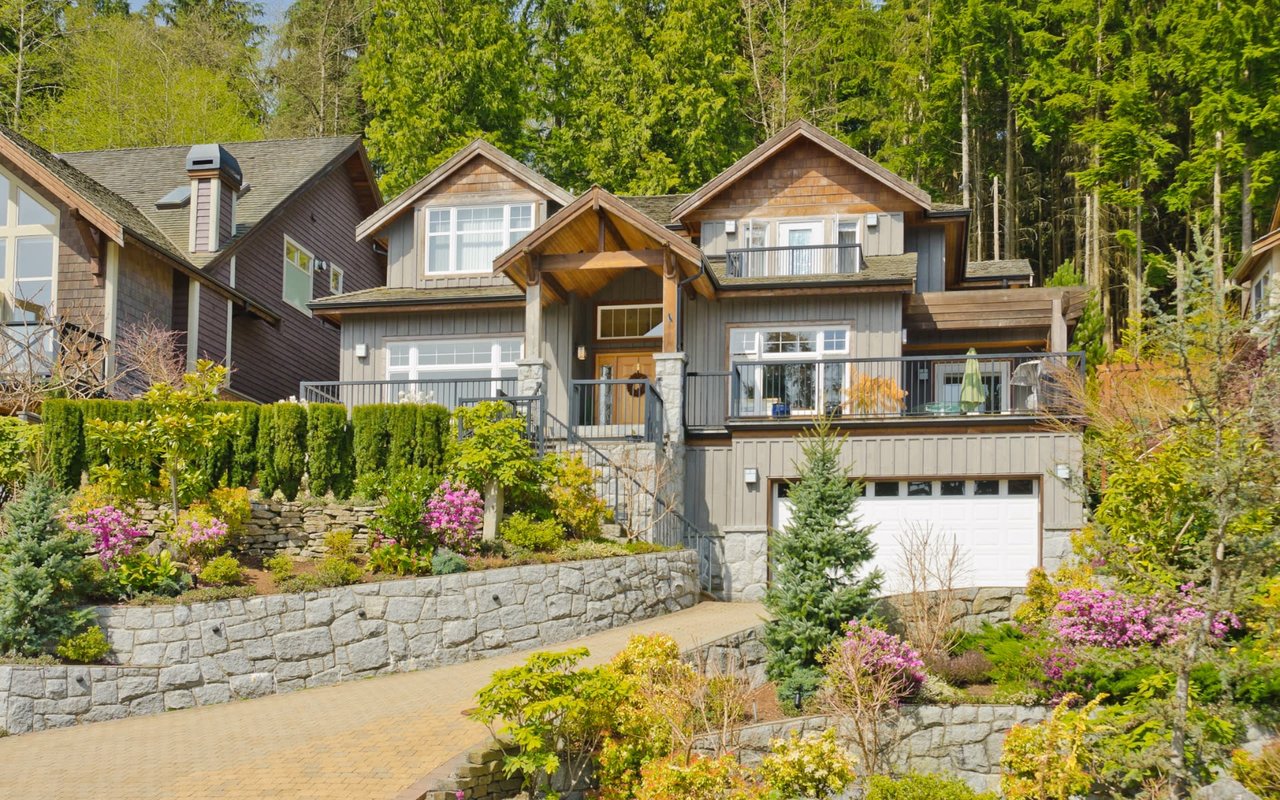
If you are visiting with real estate curiosity in the back of your mind, Pagosa Springs tends to read less like one uniform market and more like a set of lifestyle zones. That is a useful way to understand the area without turning it into a strict neighborhood map.
One clear zone is the historic downtown and river-hot-springs core. The downtown brochure specifically distinguishes Historic Downtown and the Uptown District, which helps explain the appeal of staying close to walkable streets, the river, shops, and soaking spots.
Another zone is the east end along the U.S. 160 corridor. Planning documents describe it as a connective area where the central core and eastern part of town are separated by the San Juan River, with a focus on safer walking and biking connections.
Then there is the Pagosa Lakes area, which has a more planned residential feel. The Town-to-Lakes trail plan is designed to connect downtown to Pagosa Lakes, and local maps highlight lake access, subdivision maps, and National Forest access gates.
Finally, the outer edges of the area shift quickly toward a more rural feel. Because so much of Archuleta County is public land, leaving the core often means more elbow room, easier access to trailheads, and a stronger sense of being on the edge of town rather than in it.
A long weekend can be enough to show you the three versions of Pagosa Springs that many buyers respond to. You can have walkable downtown living, easy access to trails and hot springs, and quieter residential pockets that feel more private.
That mix is part of what makes the town memorable. It supports more than one version of mountain life, and those versions sit surprisingly close together.
If you are relocating, shopping for a second home, or simply testing whether Pagosa Springs fits your pace, that is valuable information. A place feels different when you can imagine both your Saturday morning and your Tuesday afternoon there.
What a long weekend in Pagosa Springs really feels like is simple to describe once you have been there. It feels relaxed without feeling empty, active without feeling rushed, and scenic without losing touch with real everyday needs.
You can soak in the morning, walk the river by midday, grab dinner downtown, and still notice the practical signs of a real community all around you. That combination is rare, and it is often what keeps people coming back with a more serious eye.
If you want help turning that feeling into a smart next step, Eric B Roark brings a coach-style approach to Southwest Colorado real estate with clear guidance, local insight, and a steady process from first visit to closing.
August 20, 2026
August 13, 2026
August 6, 2026
July 23, 2026
July 16, 2026
July 9, 2026
July 9, 2026
July 2, 2026
June 25, 2026
With Eric strategic partnerships, he can provide service with Commercial, Ranch, Residential or Resort. Let him know how he can provide service to you. Durango is truly the end of the Rainbow.